Sustainable Accessories: The Eco-Friendly Trend
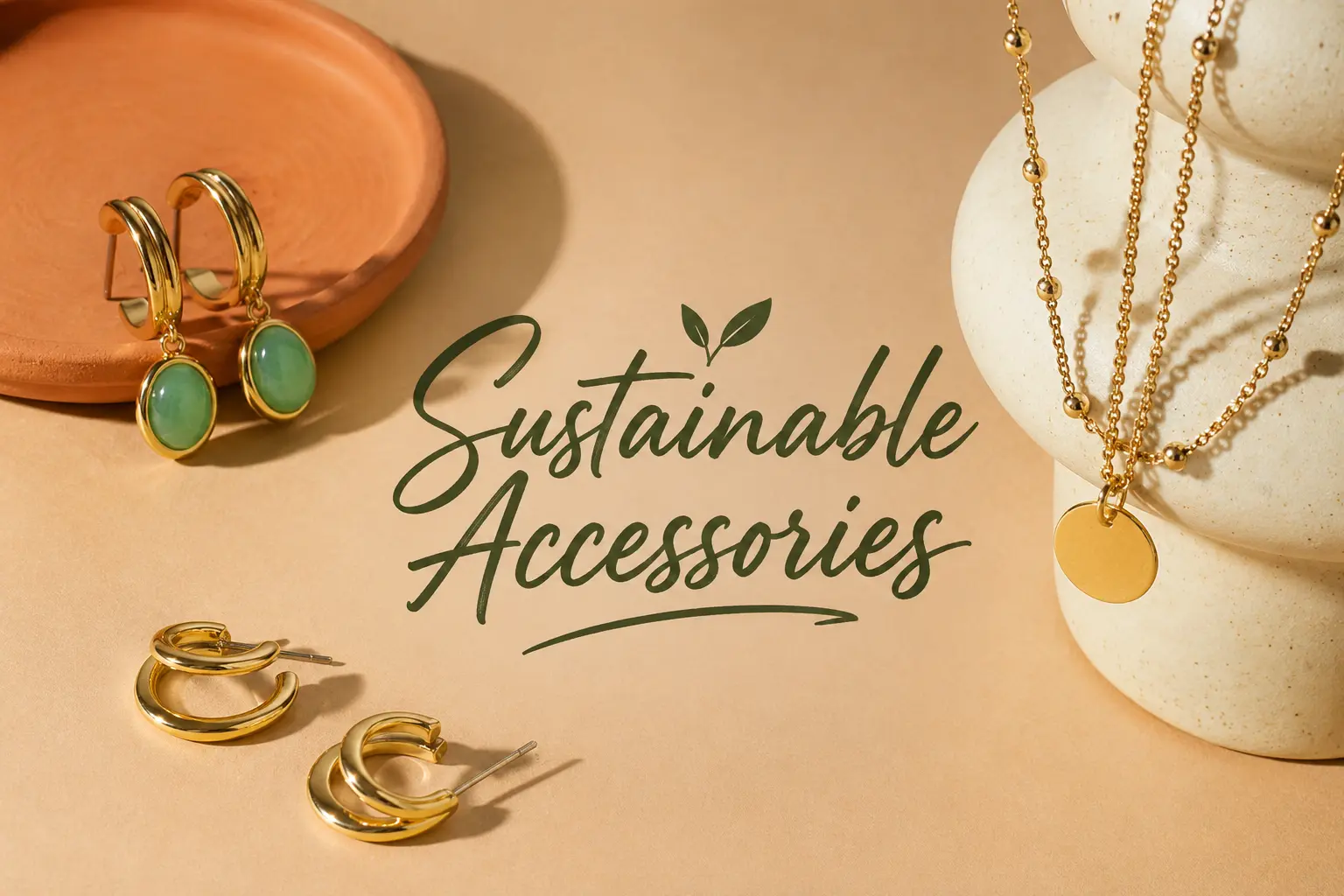
Walk through any store this season and you’ll see the same word on a dozen tags: “eco.” Eco bag, eco scarf, eco earrings. Some of it means something. A lot of it doesn’t.
Sustainable accessories are a real trend, and a good one, but you need a few ground rules to avoid paying extra for a label. Below I’ll walk through what to look for, what to question, and how to do it without wrecking your budget. If you like price-checking before you buy, DealstoPR is a handy place to start.
The Greenest Accessory Is Already in Your Drawer
Before you shop, look at what you own. Project Cece’s guide to sustainable accessories makes a point I like: accessories let you build new outfits from the same clothes. A belt on a dress, a scarf over a plain coat, a different necklace on a black top. Same garments, new looks.
That’s the whole idea. The less you buy, the lighter your footprint, and accessories are the cheapest way to make a closet feel new.
Read the Material, Not the Label
“Eco-friendly” on a tag tells you nothing. A named material tells you something.
Organic cotton, hemp, jute, cork, bamboo, and recycled fabrics are all common choices. Some brands go further and turn waste into products. Ecotact’s sustainable accessories collection is one example, showing items like hats made from upcycled coffee bags, a jute backpack, and a bamboo notebook.
I’d still check a few things on any product page. Is the material named? Is there any detail on how it’s made? If the only proof is a green leaf icon, treat it as decoration.
Leather or “Vegan Leather”? It’s Complicated
This is the question that trips everyone up. Real leather lasts a long time, but it comes from animals. Vegan leather avoids that, though many versions are made with plastic, sometimes PVC.
Neither wins automatically. Project Cece lays out the dilemma and points to options like cork and recycled materials as ways around it.
My rule of thumb is simple. Buy the best-made bag you can afford and use it for years. A durable bag beats three cheap ones that fall apart.
Jewelry Has a Messy Backstory
Mining is hard on the environment, and ethical concerns come with it. That’s why recycled and upcycled metals matter, and why transparency does too.
Secondhand and vintage pieces are an easy fix. Nothing new gets mined, and the price is often lower. If you have sensitive skin, check the metal before you buy, and look at return terms.
The Small Stuff: Scarves, Hats, and Tights
Scarves and hats are the easiest swap. Look for organic cotton, wool, hemp, or recycled fibers, and pick colors that match several coats.
Tights are trickier. Most are synthetic, so durability is the real win. A pair that survives a season of wear beats three that snag on day one.
How to Spot Greenwashing
A few warning signs come up again and again:
- Vague words like “green” or “natural” with no details.
- No material information at all.
- One “eco” item in a collection that’s otherwise fast fashion.
- Prices that look too low for the claims.
Ask a plain question: what is it made of, and how long will it last? A brand that’s proud of its answers will tell you.
Buying Without Overspending
Sustainable doesn’t have to mean expensive. Secondhand, thrift stores, and swaps cost less and keep things in use. Repair beats replacement almost every time.
Think in cost per wear. Say you buy a $90 bag and use it three times a week for two years. (Made-up numbers, just to show the idea.) That’s cheaper per use than a $25 one you toss after a season.
When you do buy new, compare a few sellers and check shipping and return terms. You can browse the stores on DealstoPR to see which retailers are worth checking, then look at the current deals before you pay. Offers change, so read the terms first.
The Takeaway
Buy less, buy better, and wear it often. That beats any green label.
Start with what you own, pick one new piece you love, and check what it’s made of before you pay. For more shopping and style ideas, the DealstoPR blog is worth checking now and then.
Frequently Asked Questions
1. What are sustainable accessories?
Accessories made with lower-impact materials, like organic cotton, recycled fabrics, cork, or upcycled items, and built to last, ideally by brands open about how they make them.
2. Is vegan leather more eco-friendly than real leather?
Not always. Leather lasts long but involves animal farming. Vegan leather avoids that but often uses plastic. Cork, recycled, or non-PVC options can lower the impact.
3. How can I spot greenwashing?
Watch for vague words like “green” or “eco” with no details. Look for named materials, clear sourcing information, and honest limits on what the product can claim.
4. What is the most sustainable accessory I can buy?
The one you’ll wear for years, ideally secondhand or something that fits several outfits. Durability and repeat wear usually beat a new “eco” label.
5. Are sustainable accessories more expensive?
Sometimes upfront, but they often cost less per wear. Secondhand, thrifted, and repaired pieces can also keep costs down.
6. Is secondhand jewelry a good eco-friendly choice?
Yes. Buying vintage or pre-owned pieces avoids new mining and production. Check metals if you have sensitive skin, and ask about return policies.
7. What materials should I look for?
Organic cotton, recycled fabrics, hemp, jute, cork, bamboo, and vegetable-tanned leather. Check how the item is made, not just the material name.
Your email address will not be published.