Blog - Money-Saving Tips, Deal Guides & Shopping Trends | Dealstopr

Money-Saving Tips & Shopping Guides

Practical tips on coupons, deals, plus the latest trends across fashion, travel, tech, and more. New guides added regularly to help you save on every purchase.

Seasonal Accessory Trends: What’s Hot Right Now

Seasonal Accessory Trends: What’s Hot Right Now

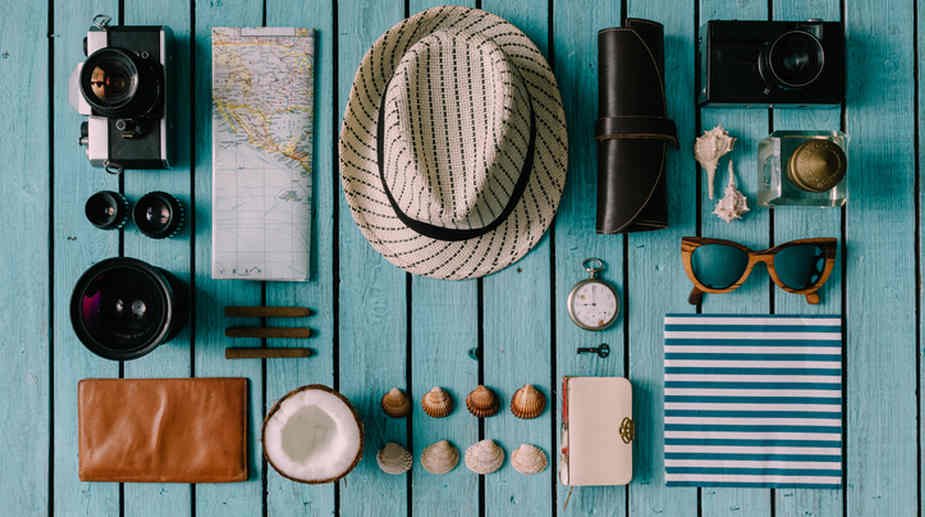
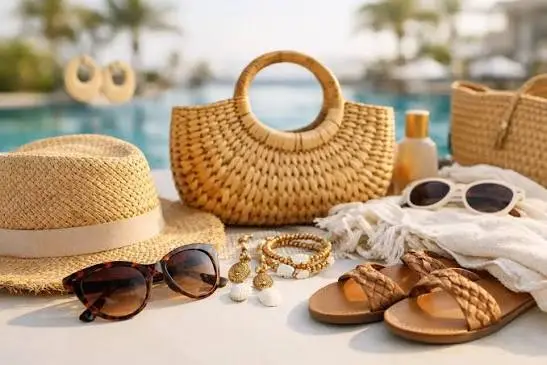
Open your closet in mid-October and you’ll probably notice the same thing most of us do: the clothes are fine, but nothing feels current. A new accessory fixes that faster than a new coat. A bag, a belt, or a pair of shoes can change an outfit for a fraction of the cost. This guide covers what fashion editors are pointing to this fall, plus a few spring 2027 ideas that just came off the runways. You’ll also get a simple way to try trends without wasting money. If you like to price-check first, DealstoPR is one place to start. What’s Showing Up This Fall Minimalism took a back seat this season. The fall 2026 runways leaned toward texture, shine, and a bit of drama, and accessories did most of the talking. Shoes with a twist Two-tone cap-toe shoes are everywhere, and Chanel gets credit for pushing them. You’ll see the style on ballet pumps and boots too. Jazz shoes are the other one to watch. Think flat, lace-up derbies or brogues. They look sharp with cropped trousers and an oversized blazer, and they feel more interesting than another pair of loafers. Bags you carry in your hand Several outlets point to the same shift: bags are leaving the shoulder. Top-handle styles, oversized flap bags, and soft suede slouchy ones all fit the mood. Beaded and fringed bags also showed up all over, from Loewe to Gucci. If you want one statement bag, this is the category. Jewelry with some weight Ornate pieces are winning. Cocktail rings, long beaded necklaces, and sculptural bangles all turned up in fall collections, and some editors are moving away from dainty styles. My advice is simple: pick one big piece and keep everything else quiet. A chunky ring with plain earrings looks deliberate. Five bold pieces at once look like a mistake. Scarves, belts, and color Wrap scarves are popular around the neck and the waist. Cummerbunds got plenty of attention too, though they won’t suit everyone. For color, rich shades like burgundy and royal purple keep showing up on bags and shoes. If you want the runway view, Vogue’s fall 2026 accessory trends is worth a look. A Preview of Spring 2027 The spring 2027 shows wrapped up this month, so these trends won’t reach stores for a while. They’re still useful if you like planning ahead. Wallpaper*’s picks from the S/S 2027 shows include a few that are easy to copy: Statement belts. Celine showed thick bands with oversized brass buckles. Gucci layered three belts at once. Sporty sunglasses. Wraparound styles in neon colors with mirrored lenses showed up at several houses, with Loewe leading the group. Scarf bags. Dior made a netted bag with hooks so you can swap the silk scarf on it whenever you like. Rain hats. Chloé sent out sou’wester-style hats with a draped back. Belts and sunglasses are the easiest to try now. The rain hat takes more nerve. How to Try a Trend Without Overspending You don’t need the whole list. Pick one trend per season and build around it. Check what you already own first. A plain black outfit plus one beaded bag looks like a plan. A closet full of random trend pieces doesn’t. Think about how often you’ll wear the thing. Say you buy a $60 belt and wear it twice a week for a season. That’s a very different value than a $60 hat that stays in a drawer. (Made-up numbers, just to show the idea.) When you shop online, compare a few sellers before you order. You can browse the stores on DealstoPR to see which retailers are worth checking. Look at shipping costs and return policies too, because a cheap accessory gets expensive fast when returns cost money. Before you pay, check the current deals. Offers change, so read the terms first. Mistakes That Waste Money Most trend regrets come from the same few habits: Buying a whole look instead of one piece. Skipping the fit check on belts, shoes, and sunglasses. Chasing a runway item that doesn’t match anything you own. Ignoring the return policy until something doesn’t work. Trends move fast, so wait a day before buying anything you saw on a feed. If you still want it tomorrow, go ahead. Start With One Piece You don’t need a new wardrobe to look current. One good accessory, worn with things you already like, does most of the work. Pick the trend that fits how you actually dress. Then check the final price before you pay. For more shopping and style ideas, the DealstoPR blog is worth a look now and then. Frequently Asked Questions 1. What accessory trends are popular this fall? Two-tone cap-toe shoes, jazz shoes, handheld and flap bags, beaded or fringed bags, and ornate jewelry like cocktail rings and long beaded necklaces. 2. How do I wear accessory trends without looking overdone? Pick one statement piece and keep the rest simple. A bold bag with plain jewelry, or a chunky ring with neutral shoes, looks deliberate. 3. Are runway accessory trends practical for everyday wear? Some are. Belts, sunglasses, and handheld bags adapt easily. Others, like rain hats, need more confidence. Choose what fits your routine. 4. How can I update my look on a budget? Choose one accessory, check what you already own, compare sellers, and review shipping and return costs before you buy. 5. Which accessories will be popular in spring 2027? Runway picks include statement belts, sporty wraparound sunglasses, scarf-style bags, layered leather cuffs, and rain hats.
Read Article →

The Impact of Technology on Sports Performance

The Impact of Technology on Sports Performance

Watch a Saturday morning 5K and count the wrists. Plenty of them have something strapped on that buzzes. A decade ago that would have looked odd. Now it’s just how people run. The gadgets have gotten good, and some of them genuinely help. Others mostly produce charts. This guide sorts out which is which, so you spend money where it counts. If you like to price-check before buying anything, DealstoPR is a handy place to start. The Watch on Your Wrist Sensors and wearables track heart rate, speed, distance, and body movement. Coaches read that data to find what an athlete does well and where the gaps are, and athletes use it to change training instead of guessing. Yellowbrick’s overview of technology in sports walks through this tracking side, plus video and gear, if you want the big picture. Sleep and recovery numbers matter more than most people expect. Say a runner’s resting heart rate creeps up for a week while her pace slows. That’s a signal to back off, not push harder. Without the data, she’d probably just feel guilty. My advice: pick one number and ignore the rest for a month. Weekly distance or resting heart rate is plenty. Your Phone Is a Coach’s Camera Pro teams use high-speed cameras and software to slow a movement down and spot the flaw. You can borrow the idea for free. Prop your phone against a water bottle, film your squat or your golf swing, then watch it at half speed. It’s a little humbling. The knee that caves in, the hip that drops, the arm that crosses the body. You can’t feel any of it from the inside, but the video shows it right away. Gear Helps, Up to a Point Swimming gives the best example. Suits made from water-repelling fabric cut drag enough to improve race times. Running shoes have also gotten better at cushioning, traction, and stability, which can lower injury risk. But a $200 shoe won’t fix a runner who jumps from 10 miles a week to 25. Fit and sensible training beat fancy features nearly every time. Try before you buy, or at least learn the return policy first. Where Injuries and Recovery Fit In Motion analysis software can spot small imbalances in how someone walks or runs, the kind that sometimes lead to knee or hip problems later. Catch one early and you have time to fix it. Recovery tech runs from imaging to cryotherapy, laser therapy, and wearables used in rehab. Some programs even use virtual reality to make exercises less boring, which can help people stick with them. Easy.bi’s article on technology in sports and fitness gets into how data, AI, and rehab tools connect. Still, apps flag patterns. They don’t diagnose. If something hurts for more than a few days, call a doctor or physical therapist. AI Is Useful, but Treat It Like a Suggestion Some tools now analyze training data and adjust your plan when you’re worn out. Others study your biomechanics and suggest technique changes. For coaches, automating scheduling and tracking frees up time to actually coach. I’d treat the output like advice from a smart friend who has never met you. Helpful, not binding. Check what data the app collects and who can see it, too. Technology also opens sports to more people. Adaptive and assistive equipment lets people with disabilities train and compete in ways that weren’t practical before. Fair Calls, Mostly Instant replay and Video Assistant Referee systems let officials review goals, fouls, and offside calls. Fewer bad calls slip through. Fans still argue anyway, so some things never change. The Catch Pro teams have labs and analysts. The rest of us have a phone and a budget, and that’s fine. Cheaper trackers vary in accuracy, so watch the trend line instead of the exact number. And if a device makes you anxious about every dip, take it off for a week. A Starter Setup That Costs Very Little If I were starting from zero, I’d use the step counter already on my phone, film one workout a week, and write down how I slept. That’s it. On Sunday, look at the week. Did the hard days follow good sleep? Did your form fall apart late in a session? Those two questions teach you more than any dashboard. Buy a tracker only when you hit a question the free tools can’t answer. Buying Smart Start with the problem. Want to run farther? A basic tracker. Cleaner form? Your phone. Better recovery? Log your bedtime for two weeks. When you do buy, compare a few sellers and read the shipping and return terms. You can browse the stores on DealstoPR to see which retailers are worth checking. Right before checkout, look at the current deals, and read the terms, because offers change. Bottom Line Technology gives you better information. The training still has to happen. Pick one tool that solves one real problem, use it for a month, then decide whether you need another. For more planning ideas, the DealstoPR blog is worth checking now and then. Frequently Asked Questions 1. How does technology improve sports performance? It tracks metrics like heart rate and speed, shows technique flaws through video, improves gear, and helps athletes train smarter and recover faster. 2. What is the most useful sports tech for beginners? A basic fitness tracker and your phone’s camera. Track one or two numbers, like heart rate or weekly distance, and film your form to spot easy fixes. 3. Can technology help prevent sports injuries? It can help. Motion analysis may flag movement imbalances early, and training data can show overload. It can’t diagnose pain, so see a professional. 4. Are fitness trackers accurate? Accuracy varies by device and metric. Treat the numbers as trends over time, not exact lab results, and see a professional for medical concerns. 5. Does expensive gear make you a better athlete? Not by itself. Good gear can improve comfort and efficiency, but technique, consistent training, and recovery matter more. Fit matters most.
Read Article →
The Rise of Remote Work: A New Era of Employment

The Rise of Remote Work: A New Era of Employment

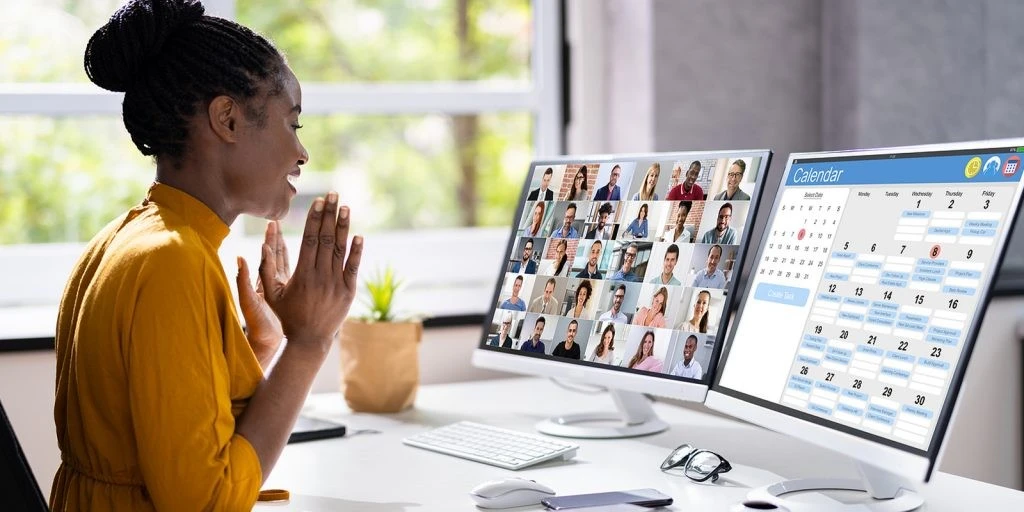
Ask five people about their commute and you’ll get five different moods. Some shrug. Some wince. A growing number say they don’t have one anymore. For a long time, working from home meant a sick day or a boss who owed you a favor. Now it shows up as a standard line in job listings. Below, I’ll cover how we got here, where things sit today, and how to set up a workspace without blowing your budget. If you like comparing prices before buying gear, DealstoPR is a handy place to start. A Slow Start, Then a Sudden Push Remote work has a longer history than most people assume. Atlantic International University’s look at remote jobs traces telecommuting back to the 1970s. It took until the 2000s, though, for faster internet and tools like Slack and Zoom to make it realistic for regular companies. Even then, it stayed a perk. A few people got it, and everyone else watched. Then 2020 forced the issue. Offices that swore remote work couldn’t happen had a few weeks to make it happen. Many were surprised by how well it went. Why People Didn’t Drift Back Time, mostly. Take away a one-hour commute each way and you’ve handed someone two hours a day. Checkeeper’s piece on the rise of remote work adds other reasons: childcare that’s hard to find, health worries, and a general rethink of how people want to spend their days. Employers picked up some wins too. They could hire beyond driving distance, and some trimmed office space. For small businesses, that meant reaching people they never could have before. So Where Are We Now? Fully remote didn’t win. Neither did the office. Recent surveys suggest roughly half of remote-capable US workers follow a hybrid schedule, with the rest split between fully remote and fully in the office. The exact numbers shift depending on who’s counting. Meanwhile, some big employers are pulling people back, three days a week at some, five at others. My read: hybrid is the compromise most companies can live with, but policies keep moving. If you work remotely, read your company’s policy before planning anything big, like a move. What’s fine in January can change by June. What Works, and What Doesn’t Focus is the obvious win. Nobody drops by your desk, no surprise meeting yanks you out of a task, and you can save the hard thinking for when your head is clear. You may also spend less on gas, lunches, and work clothes, though the amount depends on your situation, so check your own numbers. Access is the quieter win. Someone in a small town can apply for a job that once meant moving to a big city. Now the other side. Loneliness shows up faster than people expect. So does slow communication, since a question that takes two minutes at a desk can sit in a chat thread for half a day. Boundaries blur, too. I’d argue that’s the worst one. The laptop is always right there, and “just one more email” has no natural stopping point. A bad internet day can also wreck a deadline. Setting Up a Workspace Without Wasting Money You don’t need a fancy setup. Start with what your body notices: a chair that supports your back, a desk or table at a comfortable height, and decent light. If you take a lot of calls, a good headset helps more than people expect. Picture a $300 budget. I’d spend most of it on the chair and headset before touching a second monitor. (Made-up numbers, just to show the idea.) When you shop, compare a few sellers and read the shipping and return terms first. You can browse the stores on DealstoPR to see which retailers are worth checking. Right before you pay, look at the current deals, and read the terms because offers change. Habits That Help Pick a stop time and treat it like a train departure. When it hits, close the laptop. Walk around the block once a day. It stands in for the commute you no longer have, and it clears your head better than another coffee. Put decisions in writing, since nobody can read your face over chat. Job hunting? Be careful. Never pay to get hired, and check that the employer exists on its official website. The Takeaway Remote work isn’t a fad, and it isn’t a free pass either. It rewards people who set limits, communicate clearly, and spend money where it counts. Figure out what setup fits your job and your life, then build it one piece at a time. For more planning ideas, the DealstoPR blog is worth checking now and then. Frequently Asked Questions 1. What is remote work? Working outside a traditional office, usually from home, using online tools to communicate. It can be full-time remote or part of a hybrid schedule. 2. Is remote work here to stay? Most likely in some form. Hybrid is the most common setup for remote-capable jobs, though some employers are asking staff back to the office more often. 3. What are the main benefits of remote work? Less commuting, more flexible schedules, fewer office interruptions, a wider job market, and possible savings on transport, meals, and work clothes. 4. What are the biggest challenges of remote work? Isolation, slower communication, blurred work-life boundaries, and tech problems. Clear hours and regular check-ins with your team help. 5. How do I set up a home office on a budget? Start with a supportive chair, good lighting, and reliable internet. Add a headset if you take calls. Compare prices and return policies before buying.
Read Article →
Statement Accessories: Bold Looks to Elevate Your Style

Statement Accessories: Bold Looks to Elevate Your Style

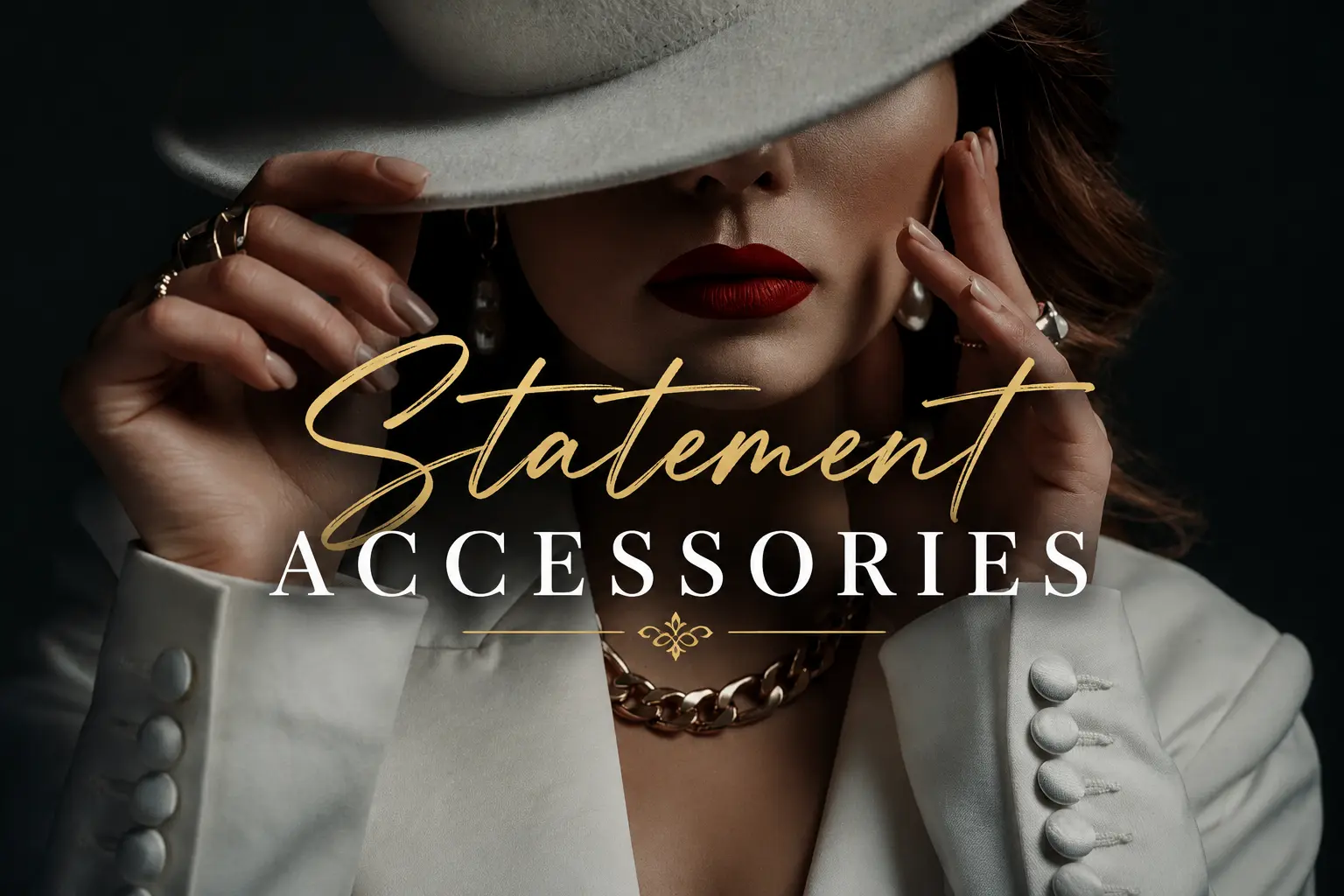
Picture a plain outfit: gray sweater, jeans, the sneakers you wore yesterday. Now add one big sculptural earring, or swap the tote for a bag in tangerine orange. Nothing else changed, but the whole look suddenly seems planned. That’s the pull of statement accessories. They change how an outfit reads without a new wardrobe. This guide covers how to pick one, where to put the drama, and how to try bold looks without overspending. If you like comparing prices first, DealstoPR is a handy place to start. What Counts as a Statement Piece Anything that makes people look twice. Size, color, shape, or shine can all do it: oversized earrings, a bag with an odd silhouette, a wide belt with a heavy buckle, chunky shoes. My test is simple. If you’d notice it from across a room, it’s a statement piece. It doesn’t have to shout, though. One well-made cuff on a bare wrist can do plenty. One Hero, Everything Else Quiet Pick one bold piece per outfit and let it lead. Beauty News NYC’s guide to bold accessories makes the same point: choose a focal point and keep the rest of the look minimal. I agree with that. Two loud pieces fight for attention, and you end up looking busy instead of bold. Wearing big sunglasses? Skip the dangly earrings. Bold shoes? Let the dress stay plain. Where to Put the Drama Earrings Earrings are the easiest way in. A big one near the jawline usually means you can skip the necklace, and pulling your hair back lets the piece show. Weight matters more than people expect. Lightweight options, like hollow metal or resin, make a full day far more comfortable. Bags A bag with character can carry an outfit by itself. Bright colors, unusual shapes, and mixed materials all work. Keep the rest neutral. Or borrow one color from the bag and repeat it somewhere small, like a cobalt bag with blue earrings over an otherwise nude outfit. Belts Wide belts with bold buckles, chain belts, and corset-style leather belts all do a lot of work. One can cinch an oversized blazer or break up a single-color outfit. Belts even look good over a coat. Shoes Chunky platforms, color-blocked sneakers, and embellished loafers all grab attention. A fun trick is contrast: wear sneakers with a satin dress, or bold red boots with plain jeans and a tee. Sunglasses and hair accessories Oversized or angular frames set the tone for the whole look. Pair a chunky pair with clean lines and minimal makeup. Hair accessories are the sleeper pick. A velvet scrunchie, a pearl barrette, or a silk scarf can lift a plain ponytail in about ten seconds. Pick Pieces You’ll Actually Wear A statement piece only counts if it leaves the drawer. Before you buy, ask yourself if you can wear it three different ways. Skip the necklace that makes it hard to turn your head. Skip the heels you can’t walk in. Bold shouldn’t mean uncomfortable. If you have sensitive skin, check the metals on earrings and jewelry before you commit. Try Bold Looks Without Overspending Statement pieces follow trends fast, so I wouldn’t put a huge chunk of your budget into one. Start with a single item and see how often you reach for it. Think of it in cost per wear. Say you spend $60 on one earring style and wear it every week. That’s better value than three $20 pieces you wear once each. (Made-up numbers, just to show the idea.) Compare a few sellers before you buy, and read the shipping and return terms. You can browse the stores on DealstoPR to see which retailers are worth checking. Right before you pay, look at the current deals, and read the terms because offers change. For more outfit ideas, YesStyle’s blog has a guide to statement accessories worth browsing. Look at what you love and what you’d never wear, since both tell you something about your taste. Mistakes That Make Bold Look Messy Wearing two or three hero pieces at once. Buying a trend piece that matches nothing you own. Ignoring comfort until you’re already out the door. Skipping the return policy on a pricey item. Fix those four, and most of your outfits will land. The Takeaway Statement accessories are the quickest way to change how an outfit feels. Pick one piece, keep the rest simple, and choose something you’ll really wear. Start small, see what you reach for, and build from there. For more shopping and style ideas, the DealstoPR blog is worth checking now and then. Frequently Asked Questions 1. What are statement accessories? Bold pieces that draw attention, like oversized earrings, sculptural bags, wide belts, chunky shoes, or striking sunglasses. They lift an outfit without a new wardrobe. 2. How do I wear statement accessories without overdoing it? Choose one hero piece per outfit and keep everything else simple. If you wear bold earrings, skip the necklace. If you wear bold shoes, keep the dress plain. 3. Which statement accessory is best for beginners? Earrings or a belt. They’re easy to style, low risk, and make a quick difference. Pick lightweight earrings so they stay comfortable all day. 4. Can I wear statement accessories to work? Yes. Choose one piece, like a structured bag or a bold cuff, and keep the rest of the outfit polished. Check your dress code first. 5. How can I try bold looks on a budget? Start with one piece, compare sellers, check shipping and return terms, and buy something you can wear several ways. Cost per wear matters more than price. 6. How do I match statement accessories with my outfit? Let one piece lead, keep the rest neutral, and repeat one color from the accessory elsewhere in the look, such as a bag color echoed in small earrings. 7. Are statement accessories only for special occasions? No. A bold bag, belt, or hair accessory can make everyday outfits like jeans and a tee look intentional. Just keep comfort in mind.
Read Article →
Culinary Travel: A Journey Through Taste

Culinary Travel: A Journey Through Taste

Nobody tells the story of a trip by listing museums. They say, “We found this tiny place behind the train station, and I still think about the soup.” That’s the whole idea of culinary travel. You let food decide where you go and how you spend the day. Landmarks turn into filler between meals instead of the other way around. If you’re new to it, you don’t need a plan that looks like a spreadsheet. A few habits go a long way, and most cost nothing. If you like to price-check before spending on anything trip-related, DealstoPR is a decent place to look. Food First, Everything Else Second Curata Travel describes culinary tourism as traveling mainly for local food and drink, and it counts a lot more than restaurants: markets, cooking classes, tastings, and time with the people who grow or make what you eat. I like that definition because it takes the pressure off. You’re not hunting for the single best restaurant. You’re collecting small moments around food. So pick a place, choose two food things you want to do there, and build the rest of the day loosely around them. Leave gaps. The gaps are where the good stuff happens. Timing Matters More Than You’d Think A region’s best food often follows the calendar: harvest weeks, seafood seasons, local festivals. Check what’s in season where you’re headed before you book. A town can feel sleepy in one month and be packed with food stalls in another. Same place, very different trip. Do a Lap of the Market First Walk the whole thing before you buy anything. Watch who’s buying what. A stall with a line of people carrying real shopping bags usually has something worth trying. Then buy something small and ask the vendor how they’d eat it. Most people who sell food enjoy that question. Why I’d Skip the Place With Photos on the Menu Not always, but often. A menu with a picture of every dish usually means the restaurant is built for visitors, not neighbors. Walk a couple of blocks off the main square instead. Look for a short menu, a handwritten specials board, and a room full of locals at lunch. Ask the person at your hotel desk where they eat on a regular Wednesday. That answer beats any ranking list. Street food belongs here too. A Medium piece on culinary travel treats food, from street carts to fine dining, as a way into people’s stories and traditions. I think that’s right. Neither end of the scale is automatically better. Pick a busy stall where food comes off a hot grill, and you’ll usually be fine. Nervous About Trying New Things? Start with something familiar-but-different, like a regional version of a food you already like. Dumplings, bread, and grilled meat all work. Then step sideways. Order what the table next to you ordered. Take small portions, so one miss doesn’t sink the meal. An odd texture isn’t a problem. If something smells off or arrives lukewarm, though, skip it. Learn One Dish Properly A restaurant meal tells you what something tastes like. A cooking class tells you why. You find out why that sour ingredient matters, why the pan has to be that hot, and you leave able to make it at home. Visits with small producers do something similar: a cheese maker, a bakery, a farm. Your money lands with the people behind the food, which helps keep local traditions going. Book with small local operators when you can, and read what’s included before you pay. No Passport Needed Barbecue alone could fill a month. Eastern North Carolina leans on vinegar, Texas on beef, and Kansas City on thick, sweet sauce. Louisiana has gumbo, and everyone there has opinions about it. Coastal towns serve seafood that inland places can’t match. Try following one dish across three spots in the same region and compare. That’s a weekend trip with a built-in plot. Small Things That Save You Trouble Allergies come first. Write the key words in the local language ahead of time and keep the note in your wallet. Pointing and miming won’t cut it when peanuts are involved. Ask before photographing people while they cook. Check tipping customs too, since they swing wildly from place to place. And try one thing a day you’d normally skip. You don’t have to love it. You just have to taste it. Paying for All This Lunch is usually the cheaper way to eat somewhere good. Many places run lunch specials, and markets are cheap by nature, though prices vary by destination. Say you have $45 a day for food, a number I made up for the example. One $18 lunch special and a $6 market snack still leave room for a proper dinner. Spending on one big meal beats three forgettable ones. When you shop for travel gear, compare sellers and check shipping and return terms before you order. You can browse the stores on DealstoPR to see who’s out there, then take a look at the current deals before you pay. Offers change, so read the terms first. One Last Thing Keep a note on your phone with the names of dishes you liked, not just restaurants. You can often find the same dish again somewhere else. You’ll forget the name of the museum. You probably won’t forget the soup. For more shopping and planning ideas, the DealstoPR blog is worth a look now and then. Frequently Asked Questions 1. What is culinary travel? Traveling mainly to experience local food and drink, through markets, street food, cooking classes, tastings, and meeting local producers and cooks. 2. How do I plan a culinary trip? Pick a destination known for its food, research regional dishes, book one class or market visit, and leave room in your schedule for unplanned meals. 3. Is culinary travel expensive? Not necessarily. Markets, lunch specials, and small family restaurants often cost less than tourist-area dining, though prices vary by destination. 4. How do I find authentic local food? Walk away from main tourist areas, look for short menus and busy local spots, and ask residents or hosts where they eat on a regular weekday. 5. Is street food safe to eat? Often, yes. Choose busy stalls where food is cooked fresh and served hot. Skip anything that looks like it has been sitting out for a long time.
Read Article →
The Evolution of Women’s Sports: Breaking Barriers

The Evolution of Women’s Sports: Breaking Barriers

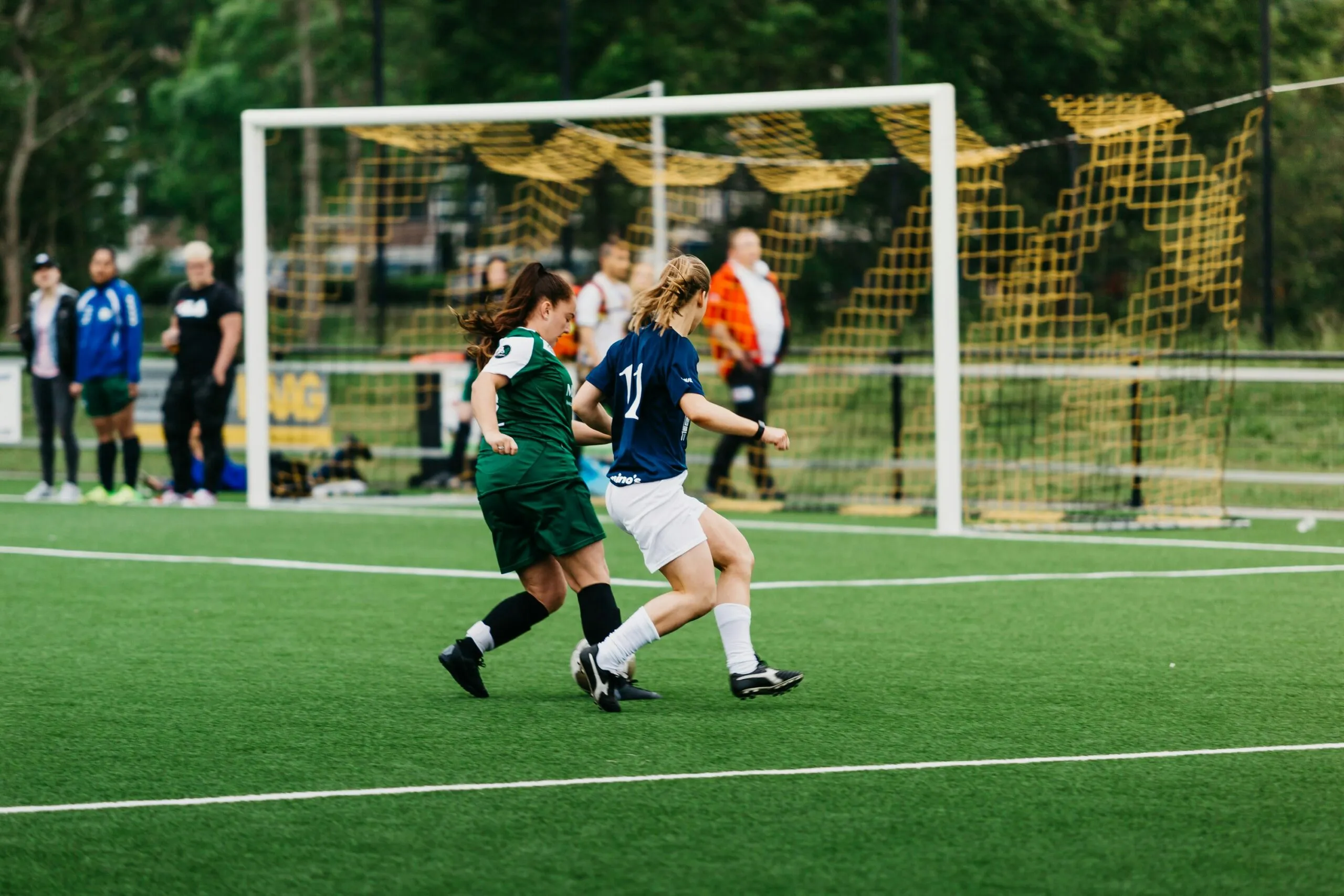
The Evolution of Women’s Sports: Breaking Barriers As late as 1967, Boston Marathon officials could declare that women were physically unable to run 26 miles. That’s not ancient history. It’s within living memory for plenty of people. Now picture a packed arena for a women’s game, with kids in jerseys and a TV crew on the sideline. Getting from one picture to the other took a long time and a lot of stubborn people. Here’s how it happened, and where things still need work. If you’re buying gear for a young athlete along the way, DealstoPR is a handy place to compare prices. When Sports Were Considered Unladylike In nineteenth-century America, women who played sports were seen as a threat to their own health, especially their ability to have children. The National Women’s History Museum’s history of women’s sports explains how wealthy women could play only a short list of “acceptable” games, like tennis, croquet, and archery. Fancy outfits helped, since they made sure everyone saw how feminine the players were. Doctors backed this up. Some argued that women had a limited supply of energy and that exercise would drain it. Campaigns against women going to college sounded almost identical. Meanwhile, farm wives hauled water, split wood, and lifted children all day. Nobody called that athletic. Doing it in public, for fun, was the problem. The Olympics Said No When the modern Olympics returned in 1896, women were largely shut out. That left them to build their own events, including a separate “Women’s Olympics” in 1922. Some women still became stars. Tennis player Helen Wills and swimmer Gertrude Ederle rode the 1920s fascination with active, glamorous women. Both sports, though, came with country-club polish, and that wasn’t an accident. Black athletes mostly couldn’t use those tennis courts and pools. They built their own stage in track and basketball, winning meets that their own communities cheered and national headlines ignored. That pattern lasted for decades, and it hides how many women were really playing. A League of Their Own, for Real World War II loosened the rules, briefly. The All-American Girls Professional Baseball League turned women into wartime entertainment, and it ran until 1954. The deal was strange. Players had to follow strict rules about dress, curfews, and hairstyles, and the whole pitch was that they’d “play like men but look like ladies.” It’s easy to roll your eyes at that now. Still, it gave women a professional stage when almost nothing else did. 1972: Title IX Changes the Game Then came Title IX, the 1972 law that bans sex discrimination in education programs that receive federal money. The law didn’t mention sports directly, but it reshaped school athletics. Girls’ teams, scholarships, and facilities started to appear in places that never had them. I’d argue it’s the single biggest turning point in this whole story. A generation of girls grew up assuming they’d get a team, because a law told schools they had to offer a fair shot. Leaders Who Pushed the Door Wider Law opened the door. People walked through it and held it open. Billie Jean King pushed hard for equality in tennis and helped found the Women’s Sports Foundation. Mia Hamm became the face of women’s soccer and fought for better conditions in the sport. Women Sports USA’s piece on women leading sports movements looks at what comes next: women moving into coaching, officiating, and executive jobs, plus grassroots programs like Girls on the Run that mix running with confidence-building. Those programs matter because they reach kids long before any pro contract. The Gaps That Haven’t Closed Progress is real, but so are the gaps. Women’s sports still get less media coverage, fewer sponsorships, and fewer leadership roles than men’s sports. Pay is a live argument in many leagues. Visibility has improved in recent years, with bigger crowds and more broadcast time. I wouldn’t call the work finished, though. Attention can fade fast if fans don’t keep showing up. How to Support Women’s Sports Without Overthinking It Go to a game. Local high school, college, or pro, it all counts. Buy a ticket, watch the broadcast, and follow the teams you like. If you have a daughter, niece, or neighbor who plays, volunteer to help with rides or snacks, or ask your school board how girls’ programs are funded. Gear costs add up fast. Compare a few sellers and check shipping and return terms before you order. You can browse the stores on DealstoPR to see which retailers are worth checking, then look at the current deals before you pay. Offers change, so read the terms first. Where This Leaves Us Women’s sports went from “not allowed” to a packed arena in about a hundred years. That’s quick in history terms, and it only happened because people kept pushing. Show up for a game this season, and bring a friend. For more shopping and planning ideas, the DealstoPR blog is worth a look now and then. Frequently Asked Questions 1. What is Title IX and how did it change women’s sports? A 1972 US law banning sex discrimination in federally funded education programs. It opened the door to more school teams, scholarships, and funding for girls and women. 2. Who are some pioneers in women’s sports? Billie Jean King, Wilma Rudolph, Gertrude Ederle, and Mia Hamm are among many who helped change attitudes and open doors for women athletes. 3. Are women’s sports still facing barriers? Yes. Gaps remain in media coverage, sponsorship, pay, and leadership roles, though visibility and participation have grown in recent years. 4. How can I support women’s sports locally? Attend games, follow teams, buy tickets, volunteer, and encourage schools and parks departments to fund girls’ programs and fair facilities. 5. What was the All-American Girls Professional Baseball League? A World War II-era league that ran until 1954. It gave women a professional stage, though players faced strict rules on appearance and behavior. 6. Why did society once discourage women from sports? Many 19th-century beliefs held that exercise threatened women’s health and fertility. Those ideas, plus rigid gender roles, kept sports closed to most women. 7. Does Title IX still matter today? Yes. It still shapes school and college athletics, covering opportunities, scholarships, and equal treatment, though debates about compliance and fairness continue.
Read Article →
The Future of Blockchain: Beyond Cryptocurrencies

The Future of Blockchain: Beyond Cryptocurrencies

Bring up Bitcoin at a dinner party and someone will have a strong opinion. Bring up blockchain and people nod politely, because most of them assume it’s the same thing. It isn’t. Crypto made the technology famous, but the idea underneath is simpler, and the most useful versions of it are pretty dull. That’s a compliment. Below I’ll cover where it works, where it doesn’t, and what to ask before anyone sells you on it. If you like price-checking before you spend on tech, DealstoPR is a handy place to start. How It Works, Short Version Picture a shared notebook. Lots of people hold a copy, and every new entry goes at the bottom, stamped with a fingerprint of the page before it. If someone sneaks a change into an old page, the fingerprints stop matching and everybody else notices. Certiprof’s overview of blockchain business applications describes the same pieces: the data, a hash, and the previous block’s hash, spread across many participants instead of sitting with one owner. That’s the whole trick. A record that’s hard to fake and easy to check. A Few Words You’ll Keep Hearing “Decentralized” just means no single company owns the notebook. A “node” is one computer holding a copy. A “token” is an entry that stands for something, like money or a ticket. Nothing fancier than that. If a pitch leans on jargon you can’t translate, treat it as a warning sign. Following Stuff From Source to Shelf Supply chains get most of the attention, and for good reason. Food and fashion companies can log where an item came from and who handled it along the way. Say a batch of lettuce gets recalled. (A made-up case, just to show the idea.) With a shared record, a company can point to the exact stores that received it instead of clearing every shelf in the region. That saves money, and trust too. Contracts, Credentials, and Health Records Smart contracts are small programs that run when conditions are met. The classic example is an insurance payout that triggers once a verified event gets logged. Fewer middlemen, less waiting around. Credentials are the quieter win. A paper certificate is easy to fake. A digital one that an employer can verify in seconds is much harder to fake. Imagine applying for a job and the recruiter confirming your degree with one click instead of an email chain. That’s the whole appeal. Health records are the one I’d file under “promising, not proven.” The idea is that patients decide who sees their data. Privacy rules make that tricky in practice, so watch this space rather than trusting it. Money Moves Too Stablecoins and blockchain-based payments are showing up in cross-border transfers and business payroll. Yes, that’s still crypto-adjacent. But paying a supplier overseas is a real job, not a bet on a price chart. Where I’d Pump the Brakes Most blockchain projects don’t need a blockchain. A normal database is faster, cheaper, and easier to fix when something breaks. The technology only earns its keep when several independent parties need one shared record and none of them wants to trust anyone else’s server. That’s a smaller club than the marketing suggests. “Can’t be changed” also cuts both ways. Type something wrong and it stays wrong. Rules around tokenized assets and digital payments are still moving, too. And scammers love the word “blockchain,” so any pitch promising guaranteed returns deserves a hard no. Why Most People Won’t Notice It The best version of this technology is invisible. You won’t open a “blockchain app.” You’ll just check a package, verify a diploma, or send money abroad, and something in the background keeps the record straight. That’s a fine outcome. Nobody thinks about the database behind their bank balance either. What Comes Next Expect the boring stuff to win: credential checks, shipping records, back-office settlement. Nobody writes headlines about those, but they save real hours. Some firms are also exploring tokenization, meaning digital tokens that represent things like property or bonds. It could allow fractional ownership and faster settlement. It’s also early, and the rules aren’t settled. A LinkedIn article on the future of blockchain beyond cryptocurrencies is another perspective worth reading. Before You Buy Into Anything When someone pitches you on blockchain, ask three plain questions. What problem does it solve that a regular database can’t? Who holds the keys, and what happens if they get lost? Which rules apply, and who checks them? Vague answers are your answer. For learning, start small. Read a plain-language guide, try a free beginner course, and make sure you can explain blocks, hashes, and smart contracts before spending money. This isn’t financial advice, and any investing carries risk. If you’re buying books, courses, or hardware along the way, compare sellers and check shipping and return terms first. You can browse the stores on DealstoPR to see which retailers are worth checking, then look at the current deals before you pay. Offers change, so read the terms first. The Takeaway Blockchain isn’t magic, and it isn’t a scam. It’s a tool for one particular job: keeping a shared record honest when nobody fully trusts anybody. Watch the dull use cases, and treat big promises with suspicion. For more planning ideas, the DealstoPR blog is worth checking now and then. Frequently Asked Questions 1. What is blockchain used for besides cryptocurrency? Supply chain tracking, digital credentials, smart contracts, medical record access, and cross-border payments, mostly where several parties need one shared, trusted record. 2. Is blockchain the same as Bitcoin? No. Bitcoin is one application built on blockchain. Blockchain is the underlying ledger technology that can also support records, contracts, and tracking. 3. What are smart contracts? Programs on a blockchain that run automatically when set conditions are met, such as releasing a payment once a delivery is confirmed. 4. Is blockchain secure? It’s designed to resist tampering, but weak apps, poor key management, and scams can still cause losses. Security depends on how a system is built and used. 5. Does every business need blockchain? No. A regular database often works better and costs less. Blockchain helps most when several independent parties must share and trust one record. 6. How can I learn blockchain basics? Start with free beginner courses and plain-language guides, learn what blocks, hashes, and smart contracts do, then study real use cases before spending money. 7. Is investing in blockchain companies safe? Investments carry risk, and this isn’t financial advice. Research what a project really does and consider speaking with a licensed financial professiona
Read Article →
Top 5 Tips to Save Money While Shopping Online

Top 5 Tips to Save Money While Shopping Online

Top 5 Tips to Save Money While Shopping Online You find a jacket for $38 and feel pretty good about it. Then checkout shows $49 after shipping and tax. A “you might also like” sock set sneaks in, and now you’re at $60. If you want to know how to save money online, the lowest sticker price is only the starting point. You need to compare offers, look at the final total, and ask yourself whether you need the item at all. A site like DealstoPR can help you browse deals, but your habits matter more. Here are the five I’d build first. 1. Compare Prices Before You Pick a Retailer The first price you see is rarely the only one. The same blender can cost different amounts at three stores, and the cheapest listing sometimes loses once delivery gets added. Open a few tabs and check the exact same model, size, and quantity. A 12-pack and a 10-pack aren’t the same deal. Then go all the way to the last checkout screen, because that’s the only number that counts. While you’re there, glance at the return policy and the delivery estimate. Here’s a made-up example. Store A lists headphones at $45 plus $9 shipping. Store B lists them at $52 with free delivery. Store B wins by $2, even though it looked pricier. (Illustration only, not real prices.) Be careful with unfamiliar sites selling something far below everyone else. If a price looks too good, it usually is. To see more retailer options in one spot, you can browse the DealstoPR stores. Letting a few stores compete for your order is one of the best ways to save money with very little effort. 2. Look for Coupon Codes Before You Pay Spend two minutes hunting for a code before you hit the pay button. Start with the retailer’s own promotions or sale page, since that’s where real offers usually live. Some stores give a first-order discount, though plenty don’t. Coupon sites can turn up codes too, and you can check current deals on DealstoPR before you buy. Just read the fine print. Look at the expiration date, the minimum spend, and the excluded products. Then watch your cart total after you enter the code. If the number doesn’t drop, the code didn’t work. Find that out before you pay, not after. A 15% code isn’t automatically the better offer, either. Say it needs a $75 minimum and excludes the item you want. A flat $10 off with no conditions could save you more. Discount codes are a nice bonus, but they never replace doing the math, and no code works every time. 3. Plan Around Sales So You Don’t Overspend A sale only helps when it lowers the price of something you were already going to buy. Write a short list of what you need before the big sale weekends start. Then track the regular price for a week or two. Some “40% off” tags sit on prices that crept up beforehand, so the real saving can be small. Compare the sale against other options too, like coupon offers or a different store. Watch out for the quiet trap of adding things you didn’t plan on, just to hit a promotion threshold. Markly’s guide to saving money while shopping online makes a similar point about shopping habits: decide what you need first, then look for the deal. Don’t do it the other way around. Buying a $60 gadget you don’t need at 40% off still costs you $36 you hadn’t planned to spend. Online shopping deals reward the person who showed up with a plan. 4. Check Shipping, Minimums, and Return Costs A big discount can disappear at the last step. Shipping fees, return costs, and restocking charges all eat into your savings, so check them before you commit. Compare standard and expedited delivery. If you don’t need the item in two days, the slower option often costs less. Look at the free-shipping minimum, and check whether the item qualifies for free returns. Some stores charge you to send things back, and that matters if you’re unsure about the size or fit. Free shipping offers are great, but only when you’d buy the extra item anyway. Here’s a hypothetical: you add a $12 item to reach the free-shipping line, but you didn’t need it. You didn’t save on shipping. You spent $12 you wouldn’t have spent. Free shipping also isn’t always the cheapest route. Sometimes paying a small fee on a lower-priced item still wins. 5. Set a Budget and Skip the Impulse Buys Decide how much you’re willing to spend before you start browsing. Having a number in your head makes it much easier to say no. Sort your list into must-haves and nice-to-haves. For anything that isn’t urgent, leave it in the cart overnight. If you still want it tomorrow, fine. If you forgot about it, you just saved money. Countdown timers and “only 3 left” banners are built to rush you. Take a breath, because most of that pressure is just design. Before you pay, scan the final order and pull out anything that crept in. If promotional emails keep tempting you, unsubscribe. Ahli’s guide to saving money while shopping also covers building better spending habits, which helps with ways to avoid overspending online. And when you’re not in a buying mood, the DealstoPR blog is a calmer place to pick up more shopping ideas. Make Every Online Purchase Count None of this is about spending the absolute minimum on every order. It’s about paying a fair total for something you’ll actually use. Compare prices, check legitimate discounts, plan around sales, count delivery and return costs, and stick to a budget. Do those five things and most of the work is done. One last habit: look at the final order total before you pay. If it’s higher than you expected, stop and find out why. Frequently Asked Questions 1. What is the best way to save money while shopping online? Compare total prices, check valid coupon codes, look for genuine sales, review shipping costs, and buy only what you need. 2. How can I find discount codes for online shopping? Check the retailer’s official promotions, trusted coupon websites, and eligible email offers. Confirm the code’s terms before checkout. 3. Is it cheaper to shop during major online sales? Sometimes. Compare the current price with earlier listings and check the final cost to make sure the discount offers real value. 4. How can I avoid spending too much online? Set a budget, make a shopping list, wait before buying non-essential items, and remove unnecessary products from your cart. 5. Do coupon codes always provide the best deal? No. Minimum-spend rules, exclusions, delivery fees, and other promotions can affect which offer saves you the most. 6. How can I save money on shipping? Compare delivery options, check free-shipping thresholds, and avoid adding unnecessary products just to qualify for free delivery. 7. Should I buy something just because it is on sale? No. A discount only helps when the item meets a real need and fits your budget.
Read Article →
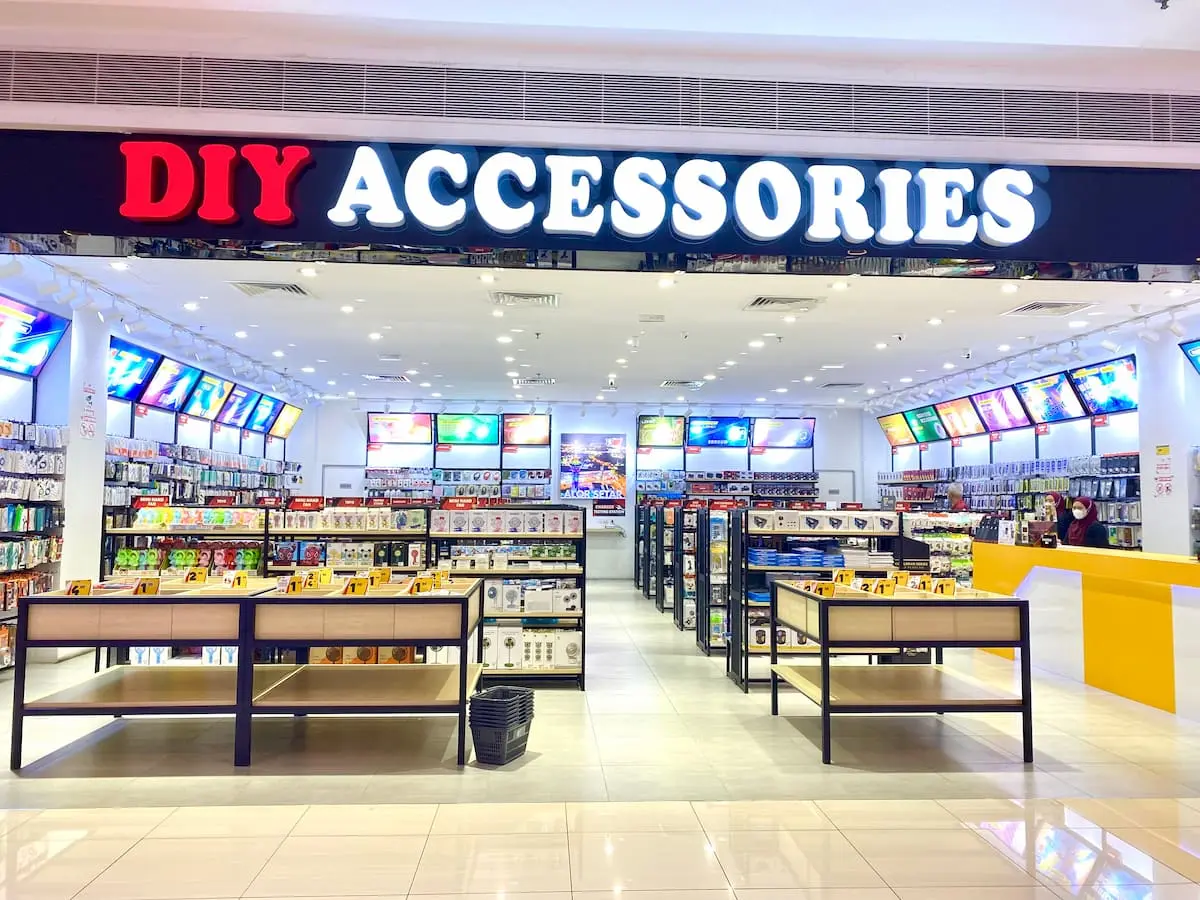
DIY Accessories: Crafting Your Unique Style

DIY Accessories: Crafting Your Unique Style

You know that moment when you pick up a $28 necklace, flip the tag, and think, I could make this for five bucks? Most people put it back and forget about it. I think you should try making it instead. Handmade accessories cost less, and you choose everything: the colors, the length, the clasp. Nobody at the party will wear the same one. If you want to price out supplies first, DealstoPR is a handy place to start. The rest of this guide covers what to make first, what to buy, and how to keep your pieces from looking like every other craft tutorial. Figure Out What You’d Actually Wear Before you spend a dollar, open your closet. Look at the colors you reach for. If it’s mostly black, gray, and denim, a bright orange bracelet will pop against everything. If you live in earth tones, chunky wooden beads will fit right in. Then pick two or three colors and one material for your first few pieces. Glass, wood, and fabric all work. Too many choices in week one leaves you with a drawer full of half-finished projects. One more question: where will you wear it? A tiny hoop works at an office. A big beaded cuff fits a weekend. Skip this question and you end up with something nice that stays in a box. Three Projects You Can Finish in an Evening Nothing here needs special tools. You can fix most mistakes by snipping the cord and starting over. Beaded bracelets This is the best place to begin. Measure your wrist, add about two inches, and cut stretch cord to that length. Thread your beads, tie a surgeon’s knot, and dab a little clear glue on it. Let it dry for a few hours before you wear it. Spread the beads on a towel first. They stop rolling away, and you can see the pattern before you commit. I’d use an odd number of accent beads, because even numbers tend to look stiff. Scrunchies and knotted headbands A scrunchie takes about fifteen minutes on a sewing machine, and hand stitching isn’t much slower. Old shirts, scarves, and thrift-store fabric scraps all work. For a headband, sew a long strip into a tube and run elastic through the middle. Things you already own Check your junk drawer. A single earring from a lost pair can hang from a chain as a pendant. Old buttons turn into a brooch or a keychain. A strip of vintage fabric can wrap a plain metal cuff and make it look new. If you want more ideas to react to, Crazy Laura’s roundup of DIY accessories covers a big mix of styles. Notice the ones you hate as well as the ones you like. That sharpens your taste fast. Buy Less Than You Think You Need Craft shopping is sneaky. Say you grab ten bead sets at $4 each. That’s $40, and you’ll probably use three of them. Get one mixed bag of beads and a basic tool kit, then see what you enjoy. For most jewelry, you only need round-nose pliers, flat-nose pliers, and wire cutters. A basic set is plenty. Skip the fancy ones until you know you’ll keep going. Thrift stores deserve a look too. Broken costume jewelry often hides good beads, clasps, and chains for almost nothing. When you shop online, check a few sellers before you order. You can browse the stores on DealstoPR to see which retailers show up. Watch the shipping cost, because a cheap bead set stops being cheap once delivery adds $8. Right before you pay, spend a minute to check current deals on DealstoPR. Offers change often, so read the terms before you count on one. Make It Yours, Not a Copy Copying a tutorial step by step teaches you the technique. Changing it teaches you what you like. After your first bracelet, change one thing. Try a different clasp, swap a color, or mix round beads with square ones. Do that a few times and a style starts to show up on its own. Texture helps too. Matte beads next to shiny ones look richer, and so do leather and metal together. Keep one part plain so the eye has somewhere to rest. Kaiteez has a guide to unique DIY fashion accessories at home if you want to push past the basics. Friends also love handmade gifts. A bracelet in their favorite colors beats a gift card, and it costs you a fraction of the price. For more shopping and style ideas, the DealstoPR blog is worth a look now and then. Mistakes Almost Everyone Makes You’ll mess up a few pieces. That’s normal, and it’s how you learn. These are the usual culprits: Cutting cord before measuring. Measure your wrist or neck first. Using thin thread. It snaps. Buy stretch cord or nylon thread made for jewelry. Wearing a piece before the glue dries. Ignoring sensitive skin. If your ears react to cheap metal, choose surgical steel or titanium hooks. Just Make One You don’t need a studio or a big budget. A few beads, some cord, and one free evening are enough. Make a bracelet this weekend and wear it. You’ll notice what you’d change, and that’s the start of your own style. Frequently Asked Questions 1. What are the easiest DIY accessories for beginners? Beaded bracelets, fabric scrunchies, and knotted headbands. They need few tools, take under an hour, and forgive small mistakes. 2. How much does it cost to start making DIY accessories? A basic starter setup with beads, cord, and pliers is often affordable. Costs vary, so start small and add supplies as you go. 3. What tools do I need to make jewelry at home? Round-nose pliers, flat-nose pliers, wire cutters, and strong cord or wire. A bead mat also keeps small pieces from rolling away. 4. Can I make accessories without sewing? Yes. Beaded jewelry, wire pieces, and upcycled button crafts need no sewing. Fabric glue also works on simple projects. 5. How do I make DIY accessories look professional? Use quality clasps, measure carefully, keep the design simple, and finish knots and edges neatly. Practice makes the biggest difference. 6. Are DIY accessories safe for sensitive skin? They can be. Choose hypoallergenic metals like surgical steel or titanium, and avoid cheap plated findings if your skin reacts easily. 7. Where can I find affordable craft supplies? Check thrift stores, craft retailers, and online shops. Compare shipping costs and read return policies before you buy.
Read Article →
Cultural Travel: Discovering the Heart of a Destination

Cultural Travel: Discovering the Heart of a Destination

Landmarks are easy. You find them on a map, take a photo, and move on. But a landmark can’t tell you why the bakery down the street opens before sunrise, or why shops in some countries close for a long lunch. That’s what cultural travel is about. You learn a place through its food, customs, history, and the people who live there. In this guide, I’ll cover how to do that, how to find good experiences, and how to stay respectful. If you’re still collecting trip ideas, DealstoPR is one place to browse travel-related info and offers. What Cultural Travel Really Means Cultural travel means exploring a destination through its customs, history, food, art, and everyday life, not just its top attractions. People also call it cultural tourism. The label doesn’t matter much. Here’s an easy way to see the difference. Say you walk into a local market. A sightseer buys a magnet and leaves. A cultural traveler hangs around a bit longer. What’s piled on the stalls? What are people carrying home for dinner? How do the vendors talk to their regulars? Ten minutes of that tells you more about local culture than most museum labels. Music, crafts, and old buildings work the same way. Local communities keep them alive, so listen to those communities first. And no, you don’t need a big budget or a packed itinerary. Stay curious, be polite, and pay attention. Experience Local Culture Through Food, Traditions, and Daily Life Famous sights look alike in photos. Daily life is where places start to feel different from each other. Try Regional Food and Local Markets Find out where locals eat lunch and go there. Food carries history. A dish might exist because of a farming habit, an old trade route, or a family that crossed a border a century ago. Ask what’s in it and how people usually eat it. Most cooks like that question. Small family places and food markets tend to give the best answers. Learn About Customs, Festivals, and Everyday Routines Local festivals, craft demos, street music, and neighborhood events show you how people celebrate and work. Check dates before you go, and read up on etiquette. Some events welcome visitors. Others don’t. Photo rules vary too, so ask first. Once you’re there, watch what locals do and follow along. Not every community wants outsiders at every ritual, and that’s their call. You’ll find more authentic travel experiences when you act like a guest instead of an audience. Explore the History Behind a Destination’s Identity Every place has a past that shaped it. Trade, migration, wars, and new ideas leave marks on streets, buildings, and menus. Walk through an old neighborhood and look at the architecture. Visit a local museum or heritage site and actually read the signs. Then ask why that statue stands in that square, and what it means to the people who pass it every day. A good local guide can fill in stories no sign covers. For more cultural destination ideas, you can browse Culture Travel. How to Find Meaningful Cultural Experiences Before You Go You don’t need to plan every hour. I’d spend one evening on the basics: Read a little about the place’s history and customs. Check official tourism and museum websites. Look for tours and workshops that locals run. Confirm event dates and entry rules. Learn hello, thank you, and please in the local language. Skim recent visitor tips for closures or new rules. Then pick two or three things you really want to do and leave the rest open. Some of your best moments will be the ones you never planned. The DealstoPR blog is another place to pick up planning ideas. Travel Respectfully and Support the People Who Live There Think of yourself as a guest in someone’s home. That one idea covers most of responsible cultural tourism. Ask before you photograph a person. Dress the way a religious site expects. Follow the posted rules at heritage sites. Skip private or sensitive community events unless someone invites you. When you can, hire local guides, buy from artisans, and eat at small businesses. That money stays with local communities. Also, listen more than you talk. Traditions aren’t a show. And a week in a place won’t make you an expert on it. Accept that, and ask questions anyway. Choose Experiences That Match Your Travel Style You can’t do everything, so go with what fits you. Food person? Chase regional dishes, markets, and cooking demos. Into history? Museums, heritage sites, and old districts will keep you busy. If you lean creative, look for local art, live music, and craft workshops. Want to shop for local crafts or travel gear? You can start with DealstoPR stores. Like a slow pace? Pick one neighborhood and stay a while. Doing a few things well beats ticking off a long list. One real conversation with a baker can teach you more than five rushed stops. Make Cultural Travel More Meaningful With a Simple Plan Keep it simple. Choose one or two interests, learn the basic etiquette, and leave gaps in your schedule for surprises. Give yourself time to talk to people. Stay flexible, since opening hours and community events change. When you’re ready to book, check DealstoPR deals for travel-related offers too. Understand the Place, Not Just the Sights Cultural travel connects you to a place through its people, food, traditions, history, and daily life. You don’t need any special skill. Curiosity and respect are enough. If you’re not sure where to start, North America travel inspiration is a good place to look for ideas closer to home. Count what you learned and how you treated the people you met, not how many places you saw. Frequently Asked Questions 1. What is cultural travel? Cultural travel means exploring a place through its history, traditions, food, arts, customs, and everyday life. 2. Why is cultural travel important? It helps you understand local views, respect cultural heritage, and feel more connected to the places you visit. 3. How can I experience local culture while traveling? Visit local markets, try regional food, see museums, join suitable community events, and learn about local customs. 4. What are examples of cultural travel experiences? Food tours, craft workshops, historic walking tours, museum visits, traditional performances, and local festivals. 5. How can I travel respectfully in another culture? Learn local etiquette, follow site rules, ask before taking photos, and respect religious practices and community boundaries. 6. Is cultural travel suitable for solo travelers? Yes. Museums, walking tours, cooking classes, markets, and guided heritage visits are all easy to do alone. 7. How do I plan a cultural trip? Research local traditions, pick a few activities, check opening times, learn basic greetings, and leave room for surprises.
Read Article →
The Role of Sports in Community Building

The Role of Sports in Community Building

Most towns have that one field. Maybe it sits behind the elementary school, or maybe it’s a city park with a cracked basketball court and a rim that lost its net years ago. On a weekend, half the neighborhood ends up there, and hardly anyone is thinking about the score. That’s what sports in communities do best. They give people a reason to leave the house, stand next to a stranger, and come back the following week. It only works if the league is easy to join, nobody gets laughed at for being new, and someone competent runs the whole thing. How Sports Bring People Together in Local Communities Think about how adults make friends once school ends. Mostly, they don’t. A rec league changes that, because the same faces turn up on the same sideline every week, and sooner or later somebody asks whose turn it is to bring the orange slices. Over a season, the circle gets wider than you’d expect. Parents meet coaches. A retired teacher keeps score just for fun. A family that moved in last month finds out the guy two doors down plays goalkeeper. Tournaments and town rivalries add some local pride on top, and people talk about those games for years. This is sports and community building at ground level. Friendships come from doing something together over and over, and that has little to do with who wins. The Social Benefits of Community Sports Building Friendships and a Sense of Belonging Most of the bonding happens in dull moments. Lacing up shoes, waiting for the other team’s van, arguing about pizza toppings afterward. After a few weeks, people know your name, and being expected somewhere feels better than it sounds on paper. A team won’t fix loneliness on its own, though. A cliquey league can leave a newcomer feeling worse than before. The benefits of community sports depend on how the place treats people on their first day. Encouraging Teamwork and Mutual Support Good teams teach small habits. You call for the pass, you tell a teammate “nice try” after a miss, you slow down for the kid who’s still learning. Those habits follow people into classrooms, offices, and neighborhood meetings, usually without anyone noticing. Why Youth Sports Matter for Stronger Communities Youth sports and community engagement overlap more than people admit. A twelve-year-old learns to show up on time and lose without melting down. Her parents, meanwhile, run the snack table and end up friends with a family from the other side of town. Coaches set the mood for everyone. A patient one makes a team feel safe, and a screamer empties the bleachers. Cost matters too. When fees climb, kids sit out, and the community loses the friendships those kids would have made. Affordable programs fix more than a budget line. Local Sports Programs, Events, and Community Participation You don’t have to play. Pickup basketball, youth soccer, charity 5Ks, walking clubs, rec volleyball, and school field days all need people, and plenty of those people never touch a ball. Parks departments, schools, and neighborhood groups usually run local sports programs, and most of them survive on volunteers. Spectators count. So does the person who sets out cones at 7 a.m., sells raffle tickets, or hands out water at mile two. Families fill the sidelines and turn a game into an event. Organized team play has its own pull. This piece on how team sports support community building gives a second take on why working toward a shared goal builds trust between people. Making Sports More Inclusive and Accessible A community gets more out of sports when more people can join, and that takes deliberate effort. Free or low-cost options help. So do fields and facilities that people with disabilities can actually use. Girls, women, older adults, and complete beginners all need a clear signal that they belong. Someone who just moved to town and has never touched a volleyball should still feel fine walking up to the net. Rules against bullying and discrimination matter just as much, and coaches have to enforce them. Casual options like walking clubs or co-ed pickup games count as inclusive recreational activities too, since they take the pressure off people who avoid competitive leagues. Money often decides who plays. Families can explore useful offers for everyday needs to free up cash for registration fees, and look for available deals on useful essentials before they buy cleats or water bottles. Offers change, so check the terms first. How Communities Can Support Sports Beyond the Playing Field Sports pull people into community life even when they never play. Residents coach, handle registration, bring snacks, repaint bleachers, or cheer from a lawn chair. Some connect teams with local nonprofits, and school booster clubs raise money for uniforms and field repairs. Facilities need care too. One Saturday of cleanup at a neighborhood field can keep games running all season. If you want a wider angle, this article on how sports bring communities together is worth a read. Practical Ways to Strengthen Community Sports Five things you can do this month: Join or promote a local recreational league. Volunteer at a school or neighborhood event. Push for beginner-friendly, inclusive activities. Help families find affordable gear and sign-up options. When you shop, browse store categories for activity essentials and compare shipping costs first. Cheer for effort and good sportsmanship, and not only for wins. Sports Can Create Stronger, More Connected Communities A town doesn’t need a championship team to get something out of sports. It needs open doors: a field, a friendly coach, a fair price, and people willing to show up. The friendships follow from there. For more everyday ideas, you can read more practical planning tips. Frequently Asked Questions 1. How do sports help build stronger communities? Sports create shared experiences that help neighbors connect, make friends, practice teamwork, and feel a stronger sense of belonging. 2. What are the main benefits of community sports? They encourage social connection, teamwork, physical activity, local pride, and volunteering, and they help people meet others with shared interests. 3. How do youth sports benefit a community? Youth sports connect kids, families, coaches, and schools while helping young people build cooperation, responsibility, and confidence. 4. Can sports bring people from different backgrounds together? Yes. Welcoming programs create common ground across ages, cultures, and experiences, especially when participation is affordable and respectful. 5. How can residents support local sports programs? Volunteer, coach, attend games, help organize events, donate suitable equipment, or ask local leaders for safe, affordable places to play. 6. Why is inclusion important in community sports? It lets people of different abilities, backgrounds, and incomes take part, feel respected, and benefit from the relationships sports can build. 7. Do community sports have to be competitive to bring people together? No. Walking clubs, casual games, and fun community events can build friendships without focusing on scores or winning.
Read Article →
Cybersecurity: The Critical Need for Digital Safety

Cybersecurity: The Critical Need for Digital Safety

Picture this. You get a text that says your bank saw a strange charge on your card. There’s a link to sort it out. You’re busy, so you tap it and type in your login. Two minutes later, someone else is inside your account. This happens to normal people every day. We bank, shop, work, and chat online all the time, and every account is a door someone could try. Cybersecurity means keeping your devices, accounts, and data away from people who shouldn’t have them. You don’t need to be a tech person to care about it. Below, I’ll cover the main threats and the habits that cut your risk. What Cybersecurity Protects in Everyday Life Start with your email. It holds your bank alerts, your tax papers, and the “forgot password” links for almost every other account you have. If someone gets into your email, they can usually get into the rest. That’s why data protection matters for regular people. Your photos, card numbers, work files, and even the smart doorbell by your front door all hold private information. Good security keeps that stuff between you and the people you trust. Work counts too. If you work from home, your laptop may hold client files or company logins. One careless click there can cause trouble for your boss and your coworkers, not just you. You also don’t need fancy tools to make a real difference. Most of the work is small habits, and I’ll get to those shortly. Common Cybersecurity Threats You Should Recognize Here are the ones you’re most likely to run into. Phishing. A fake email, text, or website that looks real. It pushes you to act fast and hand over a password or card number. It works because it feels urgent. Malware and ransomware. Malware is harmful software. It can spy on your device or steal files. Ransomware is worse: it locks your files and demands money to open them. Password attacks. Criminals guess weak passwords or steal them. They also try a leaked password from one site on lots of other sites. If you reuse passwords, one leak can open many doors. Data breaches. Sometimes you do nothing wrong. A company you trust gets hacked, and your details leak out anyway. Knowing these four names helps, because most attacks fall into one of them. How Cyberattacks Affect Individuals and Businesses For one person, the damage can be small, like a hacked social media account. It can also be big, like emptied savings or a stolen identity. Fixing it often means weeks of phone calls and forms. Not every attack goes that far, but the cleanup is never fun. Families get hit too. A stolen gaming account, for example, can end up sending scam messages to a kid’s friends. Businesses feel it differently. A small shop that loses its customer list or can’t take payments might stop working for days. Recovery costs money. Customers who feel unsafe often go somewhere else. This article on why cybersecurity matters in today’s digital world gives more background on the bigger picture. Practical Ways to Improve Your Online Security You don’t need to do all of this today. Start at the top and keep going when you have time. Use long, different passwords for every account, and let a trusted password manager remember them. Nobody can memorize fifty strong passwords. Turn on multifactor authentication. Even if someone steals your password, they’d also need your phone to get in. Install updates fast. Many updates fix holes that attackers already know about. Think before you click. If your bank texts you, skip the link and open the bank’s real app instead. Be careful on public Wi-Fi. Save banking for a network you trust. Back up your important files. If ransomware hits, a recent backup means you don’t have to pay. Check your account activity and privacy settings now and then. Strange logins usually show up there first. If you only do two things, I’d pick the password manager and multifactor authentication. They stop more break-ins than anything else on this list. No step gives you perfect protection, but each one lowers your risk. Why Cybersecurity Awareness and Skills Matter Software can’t catch everything. At some point, a person has to decide whether to open the attachment. So it helps when families, students, remote workers, and office teams all know what a bad message looks like. Just as important, they should know who to tell when something feels off. At a company, regular training and a simple way to report problems can turn a disaster into a quick fix. This piece on why cybersecurity skills matter makes a good case for learning this stuff, and the DealstoPR blog is another spot for everyday tips. Make Digital Safety Part of Your Daily Routine Security works best when it’s a habit. Update your devices when they ask. Look over your account settings every few months. Set a phone reminder if you tend to forget. If a request seems odd, check it another way before you act. Online shopping needs extra care. Scammers love fake sales, so read the web address before you type in a card number. Sites like DealstoPR let you browse stores or look over current deals, but treat every offer link like any other link. Make sure you land on the store’s real site, and type the address yourself if something feels wrong. The same goes for the DealstoPR homepage or any other site: if the address looks off, close the tab. Take Control of Your Digital Safety Anyone with a phone, a bank account, or an email address has a reason to care about cybersecurity. No setup is perfect. But a few steady habits cut your risk by a lot. Spot the threats, lock down your accounts, keep your devices updated, and keep learning. Then pick one thing from this article and do it today. Frequently Asked Questions 1. What is cybersecurity? It’s the practice of protecting devices, accounts, networks, and data from unauthorized access, digital attacks, and other online threats. 2. Why is cybersecurity important? It protects your personal information, financial accounts, and business data from theft, misuse, and disruption. 3. What are the most common cybersecurity threats? Phishing, malware, ransomware, password attacks, identity theft, and data breaches top the list. 4. How can I protect my personal information online? Use unique passwords, turn on multifactor authentication, update your devices, check links carefully, and share details only with trusted services. 5. Is public Wi-Fi safe to use? It carries risks. Avoid sensitive tasks like banking on untrusted networks, keep device security on, and consider a reputable VPN. 6. What should I do if I suspect a cyberattack? Use a trusted device to change compromised passwords, turn on multifactor authentication, and contact your bank or IT team if needed. 7. How often should I update my cybersecurity practices? Install updates promptly and review passwords, account access, and backups every few months or when your devices change.
Read Article →
The Rise of Esports: A New Era of Competitive Gaming

The Rise of Esports: A New Era of Competitive Gaming

A few years ago, telling a friend you spent your evening watching other people play video games would earn you a strange look. Now millions do it, and plenty of them follow rosters, rankings, and match results the way others follow a football season. That is the rise of esports in simple terms: gaming moved off the couch and onto the stage, and the crowd moved online. Esports means organized, competitive video gaming, played by professional or amateur teams under set rules. Structure is what separates it from casual play. Platforms like DealstoPR help people browse deals across all kinds of interests, and in the same way, online platforms now help fans find the competitions they care about. From Local Gaming Competitions to Organized Esports Events How did esports become popular? It started small. In 1980, Atari ran a Space Invaders championship that drew thousands of players, and for years after that, competition lived mostly in arcades, dorm rooms, and living rooms. Then home internet got faster and online multiplayer took off. Players no longer had to sit in the same room. They could find rivals anywhere, and communities grew around games like StarCraft, Counter-Strike, and Quake. Organizers stepped in next. Leagues built schedules, tournaments adopted brackets and rulebooks, and sponsors started paying attention. That structure mattered more than it sounds. Fans can follow a season with standings and playoffs far more easily than a pile of random matches. Why Streaming and Online Communities Changed the Game A live broadcast does something a stadium can’t: it puts a match in front of anyone, anywhere. With esports streaming, you can watch a final on your phone during a bus ride, then jump into the chat and argue about a bad call with thousands of strangers. Creators play a big role too. Plenty of fans pick up a new game because a streamer they like plays it. Clips and social media posts keep the best moments circulating long after the match ends, and that’s often how people choose a favorite team. Smaller events benefit as well. A regional tournament with a decent stream can reach viewers far beyond its hometown, which slowly widens the esports audience. That reach explains why bigger media companies care. Writers at EcoFreek have looked at how esports is changing the entertainment industry in America, and streaming sits near the center of that shift. What Makes Professional Esports Different From Casual Gaming? Casual gaming is about fun. Professional play is about showing up at a high level again and again. Professional esports players practice in structured blocks, study opponents, and review their own matches to spot mistakes. Routines differ from player to player, but preparation is the common thread. Teamwork matters as much as mechanics. Players need to communicate under pressure, make fast decisions, and know their game inside out. Many teams also hire coaches and analysts who build strategies and track performance. Then there’s the stage itself. Esports tournaments come with rules, rankings, and formats that decide who moves on, and playing in front of a live crowd adds a kind of pressure no ranked match at home ever creates. The Business Behind Competitive Gaming Think about who watches esports. A lot of them are young, and they stay glued to the screen for hours. Brands love that, so they pay to be in front of those viewers. That money comes from a few places. Sponsors put their name on teams and events. Organizers sell tickets. Teams sell jerseys and other merch. TV and streaming companies pay to show the matches. But don’t assume everyone is getting rich. Honestly, I wouldn’t. Some games and teams make good money, and others barely cover their costs. It also changes a lot from one country to another. What you can say for sure is that esports isn’t a side thing anymore. Barclays Games has a piece on how competitive gaming is moving into the mainstream, and you can see it in real life too. Big brands and media channels now treat esports like a real partner, not a weird experiment. Careers and Opportunities Beyond Playing Professionally Here’s something most beginners miss: you don’t have to be a great player to work in esports. Very few people go pro anyway. The rest of the field needs a lot of people. Someone has to run the events. Someone has to coach the teams and study the matches. Broadcasts need commentators, producers, and camera crews. There’s more behind the scenes. Community managers talk to fans every day. Content creators bring in new viewers. Sponsorship and marketing people bring in the money, and designers make the logos and stream graphics you see on screen. Each job needs different skills, and the number of openings depends on the company and the country. So think of esports careers as something to explore, not a sure thing. A good first step is to read and watch what people are talking about, like gaming forums, creator channels, or general sites like the DealstoPR blog. The Challenges Esports Must Address as It Grows Esports has real problems, and it’s better to know them early. Players practice for many hours, and the pressure to win is heavy. Careers can be short, and a lot of players don’t know what they’ll do after. Rules are another headache. They change from one tournament to the next, so fans and players get confused. Cheating also hurts the game, and organizers need clear rules and need to actually punish it. Then there’s the simple stuff. If you play a lot, whether as a pro or just for fun, make time for sleep, exercise, work or school, and friends who don’t game. Not every team has these problems to the same degree. Still, the ones that take them seriously will probably earn more trust from players and fans. What Could the Next Era of Esports Look Like? Nobody can say for sure, but a few things seem possible. Events could look and sound better on screen. Fans may get new ways to join in while a match is on. More people could start taking competitive gaming seriously. How the future of esports in the United States turns out will depend a lot on how well organizers fix the problems above. And if you like browsing online in general, you can look through different store categories or see current online offers for your other interests. FAQs What is esports? It’s organized video game competition. Players or teams play against each other under set rules, and fans watch online or at live events. How did esports become popular? Faster internet and online multiplayer let people play against anyone. Then streaming let everyone watch. Leagues and tournaments made it easy to follow, so more people stuck around. Is professional esports different from playing games for fun? Yes. Pros practice in a planned way, work with a team, and review their mistakes. Playing for fun has no pressure, but competing at a high level means doing well again and again. Do I need to be a pro player to work in esports? No. Event managers, coaches, commentators, designers, and community managers all work in esports. Most of these jobs need other skills, not top-level gameplay. Can esports make money for everyone involved? No. Some teams and events do well, and others struggle. It depends on the game, the team, and the region, so no one should count on easy money. What problems does esports face right now? Burnout, short careers, unclear rules, and cheating come up most. Players also need to balance gaming with the rest of their lives. What will esports look like in the future? No one knows for sure. Better event shows, new ways for fans to join in, and wider recognition all seem possible, but none of them is guaranteed
Read Article →
<p><strong>Sustainable Accessories: The Eco-Friendly Trend</strong></p>

Sustainable Accessories: The Eco-Friendly Trend

As the fashion industry shifts towards sustainability, eco-friendly accessories are becoming increasingly popular. This blog will delve into the world of sustainable fashion accessories, highlighting brands that prioritize ethical sourcing and environmentally-friendly materials. From recycled jewelry to bags made from vegan leather, sustainable accessories not only look great but also contribute positively to the environment. Consumers are now more conscious of the impact their purchases have on the planet. Choosing sustainable accessories allows individuals to express their style while supporting eco-friendly practices. By investing in quality pieces that last, fashion enthusiasts can reduce waste and promote a more sustainable future in the fashion industry.
Read Article →
<p><strong>Sustainable Travel: Exploring the World Responsibly</strong></p>

Sustainable Travel: Exploring the World Responsibly

As awareness of climate change and environmental issues grows, sustainable travel has emerged as a vital trend. Travelers are becoming more conscious of their impact on the environment and local communities, opting for eco-friendly practices and responsible tourism. This includes choosing sustainable accommodations, supporting local businesses, and minimizing waste during trips. Travelers can also engage in activities like wildlife conservation, volunteer tourism, and community-based tourism, which allow them to give back to the places they visit. By making mindful choices, travelers can enjoy enriching experiences while preserving the planet for future generations. Sustainable travel is not just a trend; it's a commitment to responsible exploration and a way to create a positive impact.
Read Article →
<p><strong>The Importance of Mental Health in Sports</strong></p>

The Importance of Mental Health in Sports

Mental health has become a critical topic in the sports world, with athletes increasingly speaking out about their struggles. The pressure to perform at elite levels can take a significant toll on an athlete's mental well-being. Issues like anxiety, depression, and burnout are prevalent, yet they often go unnoticed or unaddressed. Organizations and teams are beginning to recognize the importance of mental health support. Initiatives like therapy sessions, mental conditioning coaches, and wellness programs are being implemented to help athletes cope with the pressures of competition. By prioritizing mental health, the sports community can foster an environment where athletes can thrive both physically and mentally, leading to better overall performance.
Read Article →
<p><strong>Artificial Intelligence: A Game Changer in Modern Industries</strong></p>

Artificial Intelligence: A Game Changer in Modern Industries

Artificial Intelligence (AI) ne aaj ke modern duniya mein har industry ko badal kar rakh diya hai. Healthcare se lekar finance tak, AI ka asar har jagah mehsoos hota hai. Healthcare sector mein, AI algorithms ki madad se doctors ab patients ki diagnosis aur treatment ko zyada effective bana rahe hain. Machine learning ke zariye, hospitals patient data ka analysis karte hain, jisse wo early warnings de sakte hain aur medical errors ko kam kar sakte hain. Finance mein, AI ne risk assessment aur fraud detection ko asaan banaya hai. Algorithms trading ke patterns ko analyze karte hain, jisse investors ko informed decisions lene mein madad milti hai. AI-powered chatbots ne customer service ko revolutionize kar diya hai. Ye 24/7 support dete hain, FAQs ka jawab dete hain aur complex queries ko handle karte hain, is se customer satisfaction mein behad izafa hota hai. Is tarah, AI har field
Read Article →
The Rise Of Esport Games

The Rise Of Esport Games

Esports, or electronic sports, has taken the world by storm in recent years. What began as casual gaming has evolved into a multi-billion-dollar industry, complete with professional players, tournaments, and global audiences. Major events like The International and League of Legends World Championship draw millions of viewers and offer substantial prize pools. The growth of esports can be attributed to the increasing popularity of streaming platforms like Twitch and YouTube, where fans can watch their favorite gamers in action. Additionally, traditional sports organizations are starting to invest in esports teams and leagues, further legitimizing the industry. As technology continues to advance, the future of esports looks promising, with potential for mainstream recognition and acceptance alongside traditional sports.
Read Article →