Culinary Travel: A Journey Through Taste
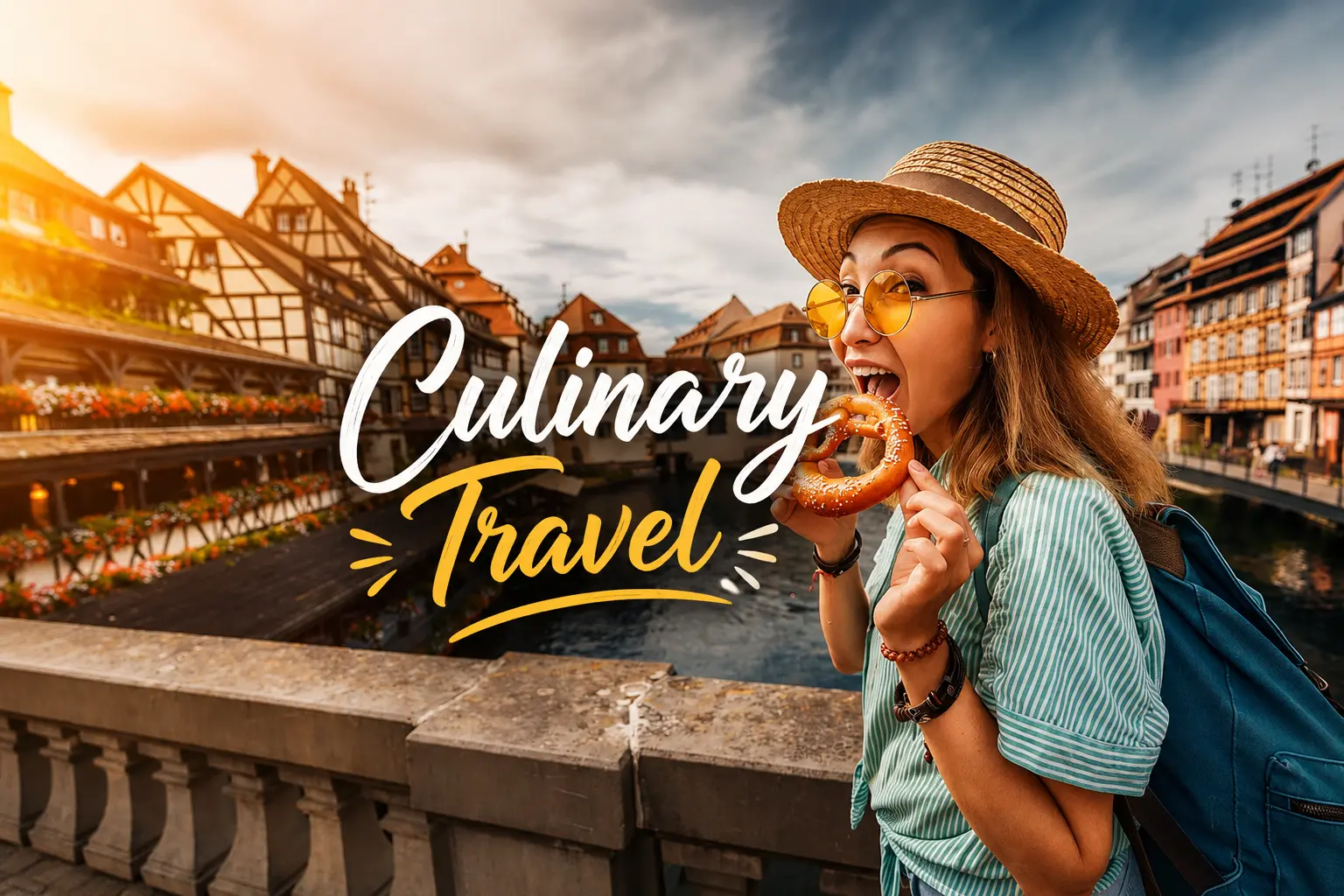
Nobody tells the story of a trip by listing museums. They say, “We found this tiny place behind the train station, and I still think about the soup.”
That’s the whole idea of culinary travel. You let food decide where you go and how you spend the day. Landmarks turn into filler between meals instead of the other way around.
If you’re new to it, you don’t need a plan that looks like a spreadsheet. A few habits go a long way, and most cost nothing. If you like to price-check before spending on anything trip-related, DealstoPR is a decent place to look.
Food First, Everything Else Second
Curata Travel describes culinary tourism as traveling mainly for local food and drink, and it counts a lot more than restaurants: markets, cooking classes, tastings, and time with the people who grow or make what you eat.
I like that definition because it takes the pressure off. You’re not hunting for the single best restaurant. You’re collecting small moments around food.
So pick a place, choose two food things you want to do there, and build the rest of the day loosely around them. Leave gaps. The gaps are where the good stuff happens.
Timing Matters More Than You’d Think
A region’s best food often follows the calendar: harvest weeks, seafood seasons, local festivals. Check what’s in season where you’re headed before you book.
A town can feel sleepy in one month and be packed with food stalls in another. Same place, very different trip.
Do a Lap of the Market First
Walk the whole thing before you buy anything. Watch who’s buying what. A stall with a line of people carrying real shopping bags usually has something worth trying.
Then buy something small and ask the vendor how they’d eat it. Most people who sell food enjoy that question.
Why I’d Skip the Place With Photos on the Menu
Not always, but often. A menu with a picture of every dish usually means the restaurant is built for visitors, not neighbors.
Walk a couple of blocks off the main square instead. Look for a short menu, a handwritten specials board, and a room full of locals at lunch. Ask the person at your hotel desk where they eat on a regular Wednesday. That answer beats any ranking list.
Street food belongs here too. A Medium piece on culinary travel treats food, from street carts to fine dining, as a way into people’s stories and traditions. I think that’s right. Neither end of the scale is automatically better. Pick a busy stall where food comes off a hot grill, and you’ll usually be fine.
Nervous About Trying New Things?
Start with something familiar-but-different, like a regional version of a food you already like. Dumplings, bread, and grilled meat all work. Then step sideways.
Order what the table next to you ordered. Take small portions, so one miss doesn’t sink the meal.
An odd texture isn’t a problem. If something smells off or arrives lukewarm, though, skip it.
Learn One Dish Properly
A restaurant meal tells you what something tastes like. A cooking class tells you why. You find out why that sour ingredient matters, why the pan has to be that hot, and you leave able to make it at home.
Visits with small producers do something similar: a cheese maker, a bakery, a farm. Your money lands with the people behind the food, which helps keep local traditions going. Book with small local operators when you can, and read what’s included before you pay.
No Passport Needed
Barbecue alone could fill a month. Eastern North Carolina leans on vinegar, Texas on beef, and Kansas City on thick, sweet sauce. Louisiana has gumbo, and everyone there has opinions about it. Coastal towns serve seafood that inland places can’t match.
Try following one dish across three spots in the same region and compare. That’s a weekend trip with a built-in plot.
Small Things That Save You Trouble
Allergies come first. Write the key words in the local language ahead of time and keep the note in your wallet. Pointing and miming won’t cut it when peanuts are involved.
Ask before photographing people while they cook. Check tipping customs too, since they swing wildly from place to place.
And try one thing a day you’d normally skip. You don’t have to love it. You just have to taste it.
Paying for All This
Lunch is usually the cheaper way to eat somewhere good. Many places run lunch specials, and markets are cheap by nature, though prices vary by destination.
Say you have $45 a day for food, a number I made up for the example. One $18 lunch special and a $6 market snack still leave room for a proper dinner. Spending on one big meal beats three forgettable ones.
When you shop for travel gear, compare sellers and check shipping and return terms before you order. You can browse the stores on DealstoPR to see who’s out there, then take a look at the current deals before you pay. Offers change, so read the terms first.
One Last Thing
Keep a note on your phone with the names of dishes you liked, not just restaurants. You can often find the same dish again somewhere else.
You’ll forget the name of the museum. You probably won’t forget the soup. For more shopping and planning ideas, the DealstoPR blog is worth a look now and then.
Frequently Asked Questions
1. What is culinary travel?
Traveling mainly to experience local food and drink, through markets, street food, cooking classes, tastings, and meeting local producers and cooks.
2. How do I plan a culinary trip?
Pick a destination known for its food, research regional dishes, book one class or market visit, and leave room in your schedule for unplanned meals.
3. Is culinary travel expensive?
Not necessarily. Markets, lunch specials, and small family restaurants often cost less than tourist-area dining, though prices vary by destination.
4. How do I find authentic local food?
Walk away from main tourist areas, look for short menus and busy local spots, and ask residents or hosts where they eat on a regular weekday.
5. Is street food safe to eat?
Often, yes. Choose busy stalls where food is cooked fresh and served hot. Skip anything that looks like it has been sitting out for a long time.



Your email address will not be published.