Cultural Travel: Discovering the Heart of a Destination

Landmarks are easy. You find them on a map, take a photo, and move on. But a landmark can’t tell you why the bakery down the street opens before sunrise, or why shops in some countries close for a long lunch.
That’s what cultural travel is about. You learn a place through its food, customs, history, and the people who live there. In this guide, I’ll cover how to do that, how to find good experiences, and how to stay respectful. If you’re still collecting trip ideas, DealstoPR is one place to browse travel-related info and offers.
What Cultural Travel Really Means
Cultural travel means exploring a destination through its customs, history, food, art, and everyday life, not just its top attractions. People also call it cultural tourism. The label doesn’t matter much.
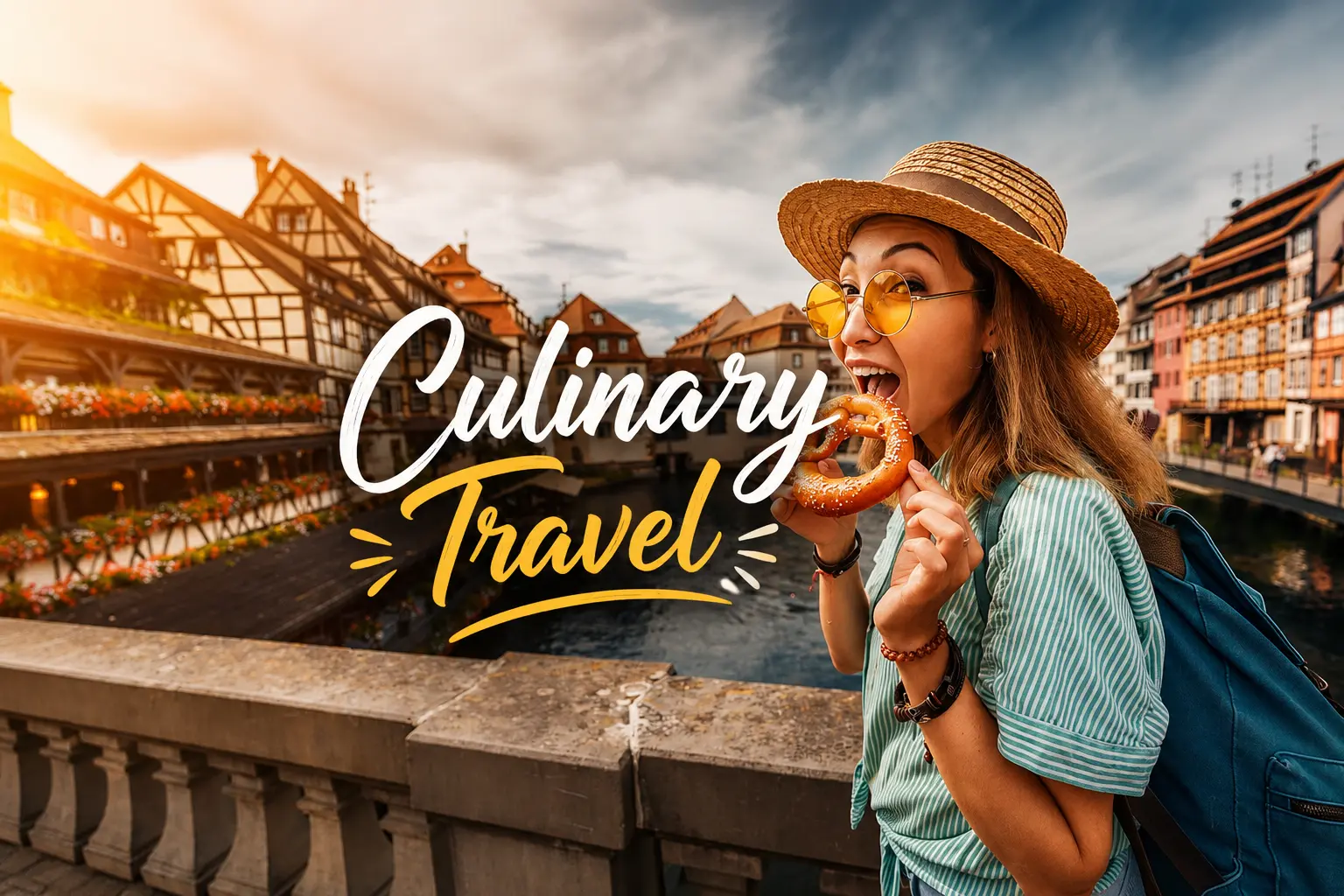
Here’s an easy way to see the difference. Say you walk into a local market. A sightseer buys a magnet and leaves. A cultural traveler hangs around a bit longer. What’s piled on the stalls? What are people carrying home for dinner? How do the vendors talk to their regulars? Ten minutes of that tells you more about local culture than most museum labels.
Music, crafts, and old buildings work the same way. Local communities keep them alive, so listen to those communities first.
And no, you don’t need a big budget or a packed itinerary. Stay curious, be polite, and pay attention.
Experience Local Culture Through Food, Traditions, and Daily Life
Famous sights look alike in photos. Daily life is where places start to feel different from each other.
Try Regional Food and Local Markets
Find out where locals eat lunch and go there. Food carries history. A dish might exist because of a farming habit, an old trade route, or a family that crossed a border a century ago.
Ask what’s in it and how people usually eat it. Most cooks like that question. Small family places and food markets tend to give the best answers.
Learn About Customs, Festivals, and Everyday Routines
Local festivals, craft demos, street music, and neighborhood events show you how people celebrate and work. Check dates before you go, and read up on etiquette. Some events welcome visitors. Others don’t. Photo rules vary too, so ask first.
Once you’re there, watch what locals do and follow along. Not every community wants outsiders at every ritual, and that’s their call. You’ll find more authentic travel experiences when you act like a guest instead of an audience.
Explore the History Behind a Destination’s Identity
Every place has a past that shaped it. Trade, migration, wars, and new ideas leave marks on streets, buildings, and menus.
Walk through an old neighborhood and look at the architecture. Visit a local museum or heritage site and actually read the signs. Then ask why that statue stands in that square, and what it means to the people who pass it every day.
A good local guide can fill in stories no sign covers. For more cultural destination ideas, you can browse Culture Travel.
How to Find Meaningful Cultural Experiences Before You Go
You don’t need to plan every hour. I’d spend one evening on the basics:
- Read a little about the place’s history and customs.
- Check official tourism and museum websites.
- Look for tours and workshops that locals run.
- Confirm event dates and entry rules.
- Learn hello, thank you, and please in the local language.
- Skim recent visitor tips for closures or new rules.
Then pick two or three things you really want to do and leave the rest open. Some of your best moments will be the ones you never planned. The DealstoPR blog is another place to pick up planning ideas.
Travel Respectfully and Support the People Who Live There
Think of yourself as a guest in someone’s home. That one idea covers most of responsible cultural tourism.
Ask before you photograph a person. Dress the way a religious site expects. Follow the posted rules at heritage sites. Skip private or sensitive community events unless someone invites you.
When you can, hire local guides, buy from artisans, and eat at small businesses. That money stays with local communities.
Also, listen more than you talk. Traditions aren’t a show. And a week in a place won’t make you an expert on it. Accept that, and ask questions anyway.
Choose Experiences That Match Your Travel Style
You can’t do everything, so go with what fits you.
Food person? Chase regional dishes, markets, and cooking demos. Into history? Museums, heritage sites, and old districts will keep you busy.
If you lean creative, look for local art, live music, and craft workshops. Want to shop for local crafts or travel gear? You can start with DealstoPR stores.
Like a slow pace? Pick one neighborhood and stay a while.
Doing a few things well beats ticking off a long list. One real conversation with a baker can teach you more than five rushed stops.
Make Cultural Travel More Meaningful With a Simple Plan
Keep it simple. Choose one or two interests, learn the basic etiquette, and leave gaps in your schedule for surprises. Give yourself time to talk to people.
Stay flexible, since opening hours and community events change. When you’re ready to book, check DealstoPR deals for travel-related offers too.
Understand the Place, Not Just the Sights
Cultural travel connects you to a place through its people, food, traditions, history, and daily life. You don’t need any special skill. Curiosity and respect are enough.
If you’re not sure where to start, North America travel inspiration is a good place to look for ideas closer to home. Count what you learned and how you treated the people you met, not how many places you saw.
Frequently Asked Questions
1. What is cultural travel?
Cultural travel means exploring a place through its history, traditions, food, arts, customs, and everyday life.
2. Why is cultural travel important?
It helps you understand local views, respect cultural heritage, and feel more connected to the places you visit.
3. How can I experience local culture while traveling?
Visit local markets, try regional food, see museums, join suitable community events, and learn about local customs.
4. What are examples of cultural travel experiences?
Food tours, craft workshops, historic walking tours, museum visits, traditional performances, and local festivals.
5. How can I travel respectfully in another culture?
Learn local etiquette, follow site rules, ask before taking photos, and respect religious practices and community boundaries.
6. Is cultural travel suitable for solo travelers?
Yes. Museums, walking tours, cooking classes, markets, and guided heritage visits are all easy to do alone.
7. How do I plan a cultural trip?
Research local traditions, pick a few activities, check opening times, learn basic greetings, and leave room for surprises.


Your email address will not be published.