The Future of Blockchain: Beyond Cryptocurrencies
Bring up Bitcoin at a dinner party and someone will have a strong opinion. Bring up blockchain and people nod politely, because most of them assume it’s the same thing.
It isn’t. Crypto made the technology famous, but the idea underneath is simpler, and the most useful versions of it are pretty dull. That’s a compliment. Below I’ll cover where it works, where it doesn’t, and what to ask before anyone sells you on it. If you like price-checking before you spend on tech, DealstoPR is a handy place to start.
How It Works, Short Version
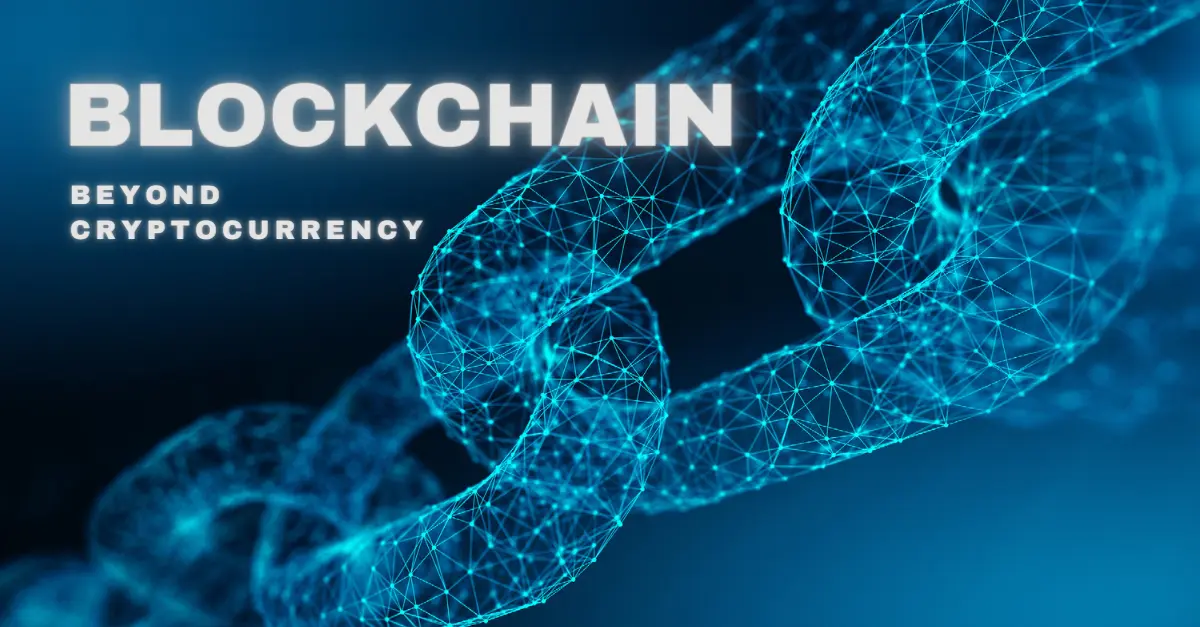
Picture a shared notebook. Lots of people hold a copy, and every new entry goes at the bottom, stamped with a fingerprint of the page before it. If someone sneaks a change into an old page, the fingerprints stop matching and everybody else notices.
Certiprof’s overview of blockchain business applications describes the same pieces: the data, a hash, and the previous block’s hash, spread across many participants instead of sitting with one owner.
That’s the whole trick. A record that’s hard to fake and easy to check.
A Few Words You’ll Keep Hearing
“Decentralized” just means no single company owns the notebook. A “node” is one computer holding a copy. A “token” is an entry that stands for something, like money or a ticket.
Nothing fancier than that. If a pitch leans on jargon you can’t translate, treat it as a warning sign.
Following Stuff From Source to Shelf
Supply chains get most of the attention, and for good reason. Food and fashion companies can log where an item came from and who handled it along the way.
Say a batch of lettuce gets recalled. (A made-up case, just to show the idea.) With a shared record, a company can point to the exact stores that received it instead of clearing every shelf in the region. That saves money, and trust too.
Contracts, Credentials, and Health Records
Smart contracts are small programs that run when conditions are met. The classic example is an insurance payout that triggers once a verified event gets logged. Fewer middlemen, less waiting around.
Credentials are the quieter win. A paper certificate is easy to fake. A digital one that an employer can verify in seconds is much harder to fake. Imagine applying for a job and the recruiter confirming your degree with one click instead of an email chain. That’s the whole appeal.
Health records are the one I’d file under “promising, not proven.” The idea is that patients decide who sees their data. Privacy rules make that tricky in practice, so watch this space rather than trusting it.
Money Moves Too
Stablecoins and blockchain-based payments are showing up in cross-border transfers and business payroll. Yes, that’s still crypto-adjacent. But paying a supplier overseas is a real job, not a bet on a price chart.
Where I’d Pump the Brakes
Most blockchain projects don’t need a blockchain. A normal database is faster, cheaper, and easier to fix when something breaks. The technology only earns its keep when several independent parties need one shared record and none of them wants to trust anyone else’s server. That’s a smaller club than the marketing suggests.
“Can’t be changed” also cuts both ways. Type something wrong and it stays wrong.
Rules around tokenized assets and digital payments are still moving, too. And scammers love the word “blockchain,” so any pitch promising guaranteed returns deserves a hard no.
Why Most People Won’t Notice It
The best version of this technology is invisible. You won’t open a “blockchain app.” You’ll just check a package, verify a diploma, or send money abroad, and something in the background keeps the record straight.
That’s a fine outcome. Nobody thinks about the database behind their bank balance either.
What Comes Next
Expect the boring stuff to win: credential checks, shipping records, back-office settlement. Nobody writes headlines about those, but they save real hours.
Some firms are also exploring tokenization, meaning digital tokens that represent things like property or bonds. It could allow fractional ownership and faster settlement. It’s also early, and the rules aren’t settled. A LinkedIn article on the future of blockchain beyond cryptocurrencies is another perspective worth reading.
Before You Buy Into Anything
When someone pitches you on blockchain, ask three plain questions. What problem does it solve that a regular database can’t? Who holds the keys, and what happens if they get lost? Which rules apply, and who checks them? Vague answers are your answer.
For learning, start small. Read a plain-language guide, try a free beginner course, and make sure you can explain blocks, hashes, and smart contracts before spending money. This isn’t financial advice, and any investing carries risk.
If you’re buying books, courses, or hardware along the way, compare sellers and check shipping and return terms first. You can browse the stores on DealstoPR to see which retailers are worth checking, then look at the current deals before you pay. Offers change, so read the terms first.
The Takeaway
Blockchain isn’t magic, and it isn’t a scam. It’s a tool for one particular job: keeping a shared record honest when nobody fully trusts anybody.
Watch the dull use cases, and treat big promises with suspicion. For more planning ideas, the DealstoPR blog is worth checking now and then.
Frequently Asked Questions
1. What is blockchain used for besides cryptocurrency?
Supply chain tracking, digital credentials, smart contracts, medical record access, and cross-border payments, mostly where several parties need one shared, trusted record.
2. Is blockchain the same as Bitcoin?
No. Bitcoin is one application built on blockchain. Blockchain is the underlying ledger technology that can also support records, contracts, and tracking.
3. What are smart contracts?
Programs on a blockchain that run automatically when set conditions are met, such as releasing a payment once a delivery is confirmed.
4. Is blockchain secure?
It’s designed to resist tampering, but weak apps, poor key management, and scams can still cause losses. Security depends on how a system is built and used.
5. Does every business need blockchain?
No. A regular database often works better and costs less. Blockchain helps most when several independent parties must share and trust one record.
6. How can I learn blockchain basics?
Start with free beginner courses and plain-language guides, learn what blocks, hashes, and smart contracts do, then study real use cases before spending money.
7. Is investing in blockchain companies safe?
Investments carry risk, and this isn’t financial advice. Research what a project really does and consider speaking with a licensed financial professiona


Your email address will not be published.