The Rise of Remote Work: A New Era of Employment
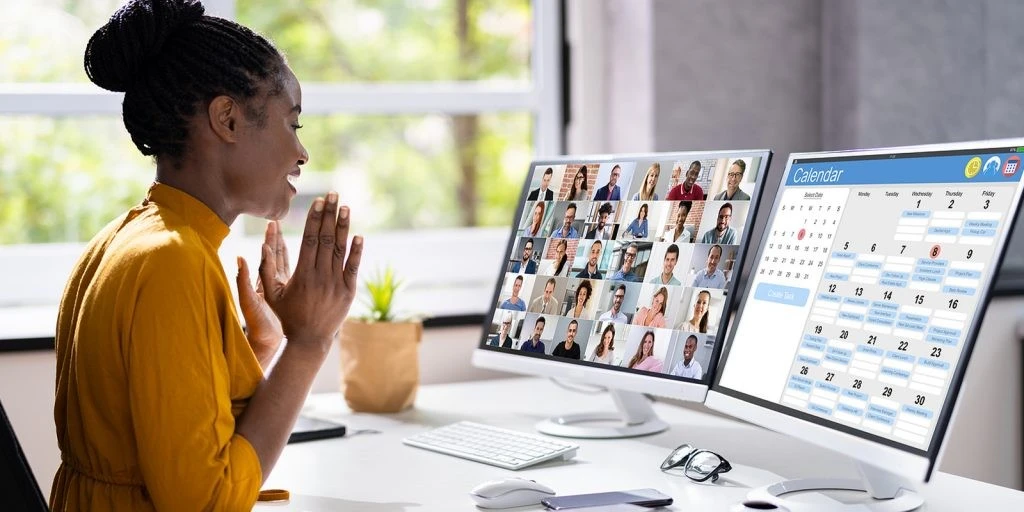
Ask five people about their commute and you’ll get five different moods. Some shrug. Some wince. A growing number say they don’t have one anymore.
For a long time, working from home meant a sick day or a boss who owed you a favor. Now it shows up as a standard line in job listings. Below, I’ll cover how we got here, where things sit today, and how to set up a workspace without blowing your budget. If you like comparing prices before buying gear, DealstoPR is a handy place to start.
A Slow Start, Then a Sudden Push
Remote work has a longer history than most people assume. Atlantic International University’s look at remote jobs traces telecommuting back to the 1970s. It took until the 2000s, though, for faster internet and tools like Slack and Zoom to make it realistic for regular companies.
Even then, it stayed a perk. A few people got it, and everyone else watched.
Then 2020 forced the issue. Offices that swore remote work couldn’t happen had a few weeks to make it happen. Many were surprised by how well it went.
Why People Didn’t Drift Back
Time, mostly. Take away a one-hour commute each way and you’ve handed someone two hours a day. Checkeeper’s piece on the rise of remote work adds other reasons: childcare that’s hard to find, health worries, and a general rethink of how people want to spend their days.
Employers picked up some wins too. They could hire beyond driving distance, and some trimmed office space. For small businesses, that meant reaching people they never could have before.
So Where Are We Now?
Fully remote didn’t win. Neither did the office. Recent surveys suggest roughly half of remote-capable US workers follow a hybrid schedule, with the rest split between fully remote and fully in the office. The exact numbers shift depending on who’s counting.
Meanwhile, some big employers are pulling people back, three days a week at some, five at others. My read: hybrid is the compromise most companies can live with, but policies keep moving.
If you work remotely, read your company’s policy before planning anything big, like a move. What’s fine in January can change by June.
What Works, and What Doesn’t
Focus is the obvious win. Nobody drops by your desk, no surprise meeting yanks you out of a task, and you can save the hard thinking for when your head is clear. You may also spend less on gas, lunches, and work clothes, though the amount depends on your situation, so check your own numbers.
Access is the quieter win. Someone in a small town can apply for a job that once meant moving to a big city.
Now the other side. Loneliness shows up faster than people expect. So does slow communication, since a question that takes two minutes at a desk can sit in a chat thread for half a day.
Boundaries blur, too. I’d argue that’s the worst one. The laptop is always right there, and “just one more email” has no natural stopping point. A bad internet day can also wreck a deadline.
Setting Up a Workspace Without Wasting Money
You don’t need a fancy setup. Start with what your body notices: a chair that supports your back, a desk or table at a comfortable height, and decent light. If you take a lot of calls, a good headset helps more than people expect.
Picture a $300 budget. I’d spend most of it on the chair and headset before touching a second monitor. (Made-up numbers, just to show the idea.)
When you shop, compare a few sellers and read the shipping and return terms first. You can browse the stores on DealstoPR to see which retailers are worth checking. Right before you pay, look at the current deals, and read the terms because offers change.
Habits That Help
Pick a stop time and treat it like a train departure. When it hits, close the laptop.
Walk around the block once a day. It stands in for the commute you no longer have, and it clears your head better than another coffee.
Put decisions in writing, since nobody can read your face over chat.
Job hunting? Be careful. Never pay to get hired, and check that the employer exists on its official website.
The Takeaway
Remote work isn’t a fad, and it isn’t a free pass either. It rewards people who set limits, communicate clearly, and spend money where it counts.
Figure out what setup fits your job and your life, then build it one piece at a time. For more planning ideas, the DealstoPR blog is worth checking now and then.
Frequently Asked Questions
1. What is remote work?
Working outside a traditional office, usually from home, using online tools to communicate. It can be full-time remote or part of a hybrid schedule.
2. Is remote work here to stay?
Most likely in some form. Hybrid is the most common setup for remote-capable jobs, though some employers are asking staff back to the office more often.
3. What are the main benefits of remote work?
Less commuting, more flexible schedules, fewer office interruptions, a wider job market, and possible savings on transport, meals, and work clothes.
4. What are the biggest challenges of remote work?
Isolation, slower communication, blurred work-life boundaries, and tech problems. Clear hours and regular check-ins with your team help.
5. How do I set up a home office on a budget?
Start with a supportive chair, good lighting, and reliable internet. Add a headset if you take calls. Compare prices and return policies before buying.



Your email address will not be published.