The Evolution of Women’s Sports: Breaking Barriers
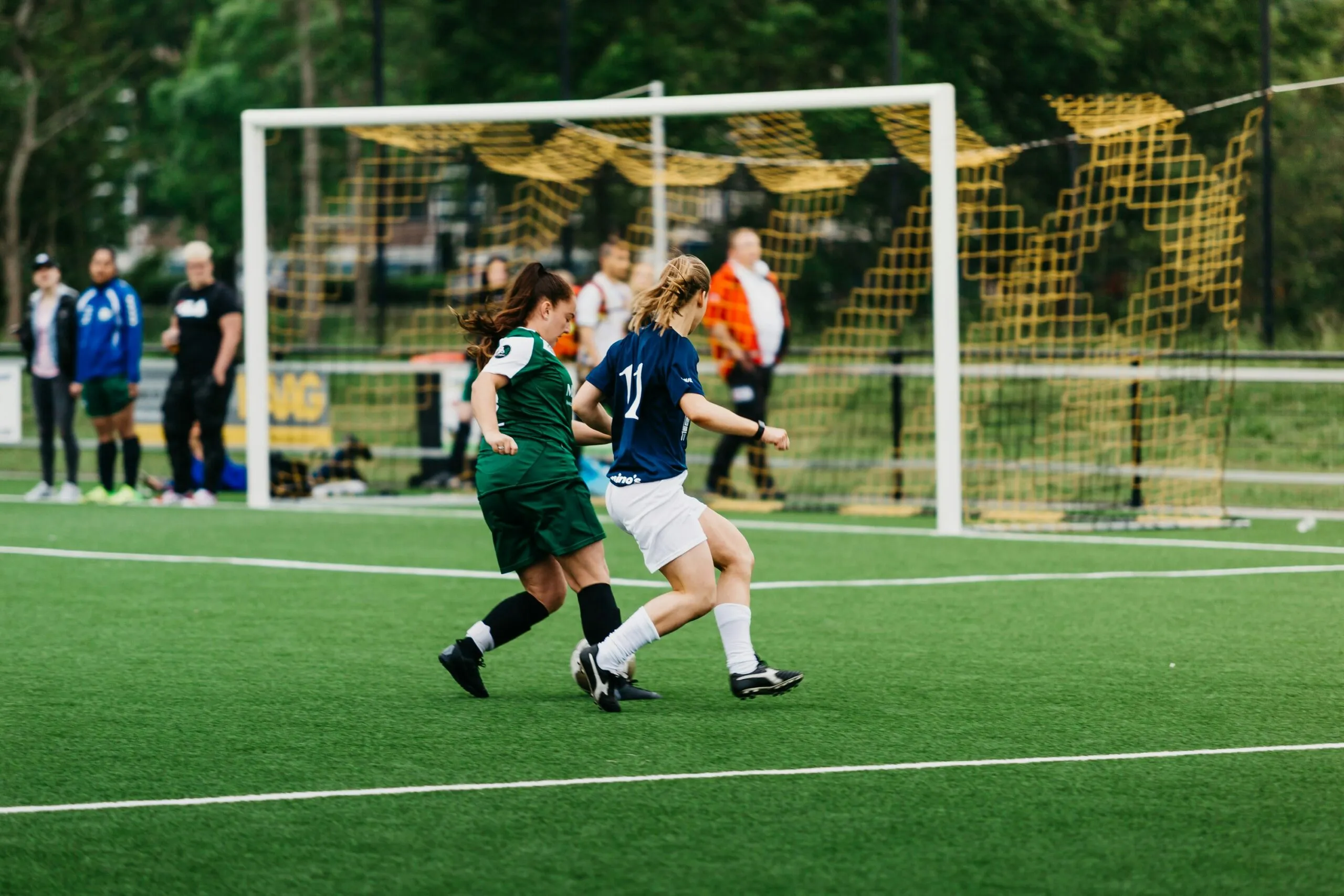
The Evolution of Women’s Sports: Breaking Barriers
As late as 1967, Boston Marathon officials could declare that women were physically unable to run 26 miles. That’s not ancient history. It’s within living memory for plenty of people.
Now picture a packed arena for a women’s game, with kids in jerseys and a TV crew on the sideline. Getting from one picture to the other took a long time and a lot of stubborn people. Here’s how it happened, and where things still need work. If you’re buying gear for a young athlete along the way, DealstoPR is a handy place to compare prices.
When Sports Were Considered Unladylike
In nineteenth-century America, women who played sports were seen as a threat to their own health, especially their ability to have children. The National Women’s History Museum’s history of women’s sports explains how wealthy women could play only a short list of “acceptable” games, like tennis, croquet, and archery. Fancy outfits helped, since they made sure everyone saw how feminine the players were.
Doctors backed this up. Some argued that women had a limited supply of energy and that exercise would drain it. Campaigns against women going to college sounded almost identical.
Meanwhile, farm wives hauled water, split wood, and lifted children all day. Nobody called that athletic. Doing it in public, for fun, was the problem.
The Olympics Said No
When the modern Olympics returned in 1896, women were largely shut out. That left them to build their own events, including a separate “Women’s Olympics” in 1922.
Some women still became stars. Tennis player Helen Wills and swimmer Gertrude Ederle rode the 1920s fascination with active, glamorous women. Both sports, though, came with country-club polish, and that wasn’t an accident.
Black athletes mostly couldn’t use those tennis courts and pools. They built their own stage in track and basketball, winning meets that their own communities cheered and national headlines ignored. That pattern lasted for decades, and it hides how many women were really playing.
A League of Their Own, for Real
World War II loosened the rules, briefly. The All-American Girls Professional Baseball League turned women into wartime entertainment, and it ran until 1954.
The deal was strange. Players had to follow strict rules about dress, curfews, and hairstyles, and the whole pitch was that they’d “play like men but look like ladies.” It’s easy to roll your eyes at that now. Still, it gave women a professional stage when almost nothing else did.
1972: Title IX Changes the Game
Then came Title IX, the 1972 law that bans sex discrimination in education programs that receive federal money. The law didn’t mention sports directly, but it reshaped school athletics. Girls’ teams, scholarships, and facilities started to appear in places that never had them.
I’d argue it’s the single biggest turning point in this whole story. A generation of girls grew up assuming they’d get a team, because a law told schools they had to offer a fair shot.
Leaders Who Pushed the Door Wider
Law opened the door. People walked through it and held it open. Billie Jean King pushed hard for equality in tennis and helped found the Women’s Sports Foundation. Mia Hamm became the face of women’s soccer and fought for better conditions in the sport.
Women Sports USA’s piece on women leading sports movements looks at what comes next: women moving into coaching, officiating, and executive jobs, plus grassroots programs like Girls on the Run that mix running with confidence-building. Those programs matter because they reach kids long before any pro contract.
The Gaps That Haven’t Closed
Progress is real, but so are the gaps. Women’s sports still get less media coverage, fewer sponsorships, and fewer leadership roles than men’s sports. Pay is a live argument in many leagues.
Visibility has improved in recent years, with bigger crowds and more broadcast time. I wouldn’t call the work finished, though. Attention can fade fast if fans don’t keep showing up.
How to Support Women’s Sports Without Overthinking It
Go to a game. Local high school, college, or pro, it all counts. Buy a ticket, watch the broadcast, and follow the teams you like.
If you have a daughter, niece, or neighbor who plays, volunteer to help with rides or snacks, or ask your school board how girls’ programs are funded.
Gear costs add up fast. Compare a few sellers and check shipping and return terms before you order. You can browse the stores on DealstoPR to see which retailers are worth checking, then look at the current deals before you pay. Offers change, so read the terms first.
Where This Leaves Us
Women’s sports went from “not allowed” to a packed arena in about a hundred years. That’s quick in history terms, and it only happened because people kept pushing.
Show up for a game this season, and bring a friend. For more shopping and planning ideas, the DealstoPR blog is worth a look now and then.
Frequently Asked Questions
1. What is Title IX and how did it change women’s sports?
A 1972 US law banning sex discrimination in federally funded education programs. It opened the door to more school teams, scholarships, and funding for girls and women.
2. Who are some pioneers in women’s sports?
Billie Jean King, Wilma Rudolph, Gertrude Ederle, and Mia Hamm are among many who helped change attitudes and open doors for women athletes.
3. Are women’s sports still facing barriers?
Yes. Gaps remain in media coverage, sponsorship, pay, and leadership roles, though visibility and participation have grown in recent years.
4. How can I support women’s sports locally?
Attend games, follow teams, buy tickets, volunteer, and encourage schools and parks departments to fund girls’ programs and fair facilities.
5. What was the All-American Girls Professional Baseball League?
A World War II-era league that ran until 1954. It gave women a professional stage, though players faced strict rules on appearance and behavior.
6. Why did society once discourage women from sports?
Many 19th-century beliefs held that exercise threatened women’s health and fertility. Those ideas, plus rigid gender roles, kept sports closed to most women.
7. Does Title IX still matter today?
Yes. It still shapes school and college athletics, covering opportunities, scholarships, and equal treatment, though debates about compliance and fairness continue.



Your email address will not be published.