The Role of Sports in Community Building

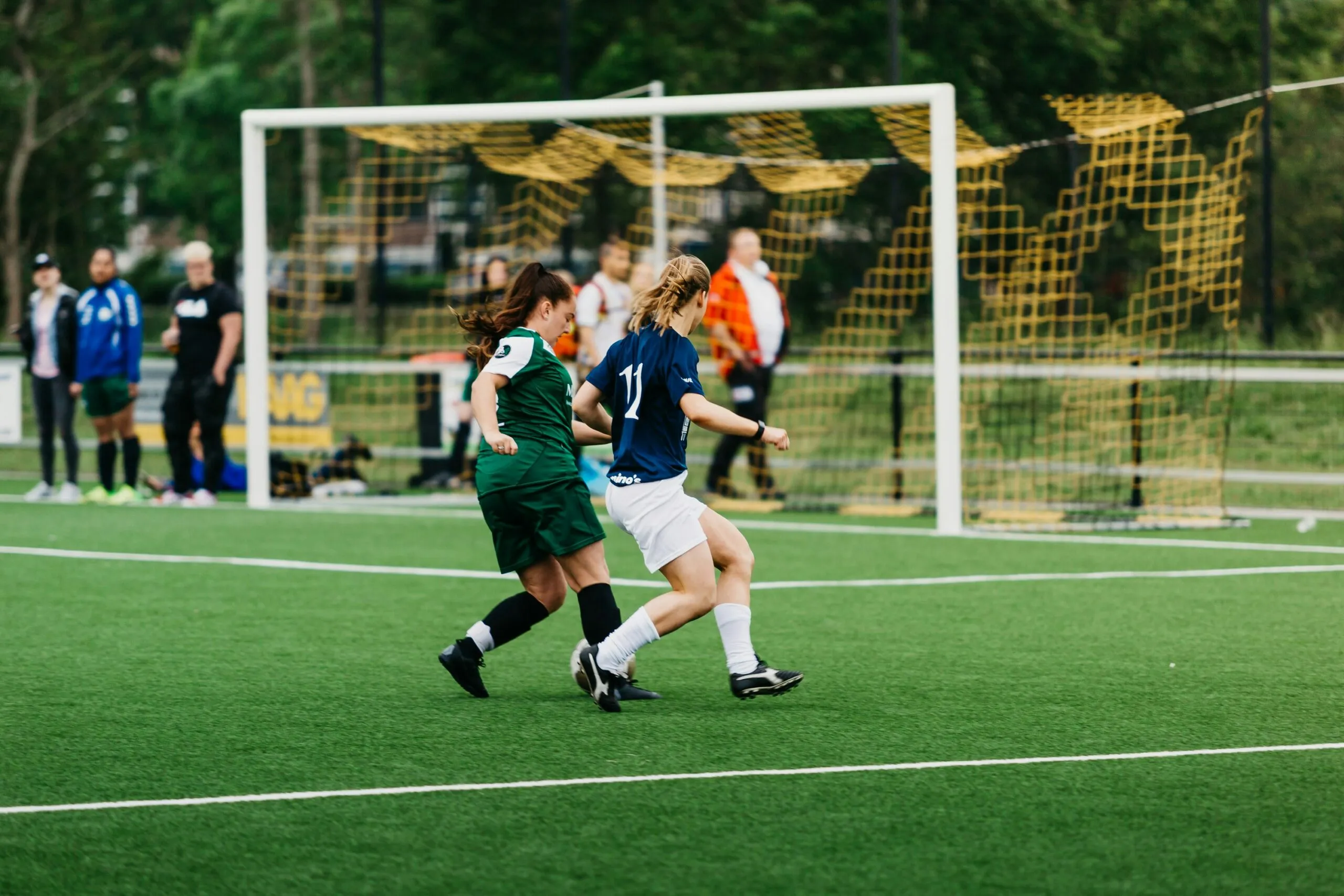
Most towns have that one field. Maybe it sits behind the elementary school, or maybe it’s a city park with a cracked basketball court and a rim that lost its net years ago. On a weekend, half the neighborhood ends up there, and hardly anyone is thinking about the score.
That’s what sports in communities do best. They give people a reason to leave the house, stand next to a stranger, and come back the following week. It only works if the league is easy to join, nobody gets laughed at for being new, and someone competent runs the whole thing.
How Sports Bring People Together in Local Communities
Think about how adults make friends once school ends. Mostly, they don’t. A rec league changes that, because the same faces turn up on the same sideline every week, and sooner or later somebody asks whose turn it is to bring the orange slices.
Over a season, the circle gets wider than you’d expect. Parents meet coaches. A retired teacher keeps score just for fun. A family that moved in last month finds out the guy two doors down plays goalkeeper. Tournaments and town rivalries add some local pride on top, and people talk about those games for years.
This is sports and community building at ground level. Friendships come from doing something together over and over, and that has little to do with who wins.
The Social Benefits of Community Sports
Building Friendships and a Sense of Belonging
Most of the bonding happens in dull moments. Lacing up shoes, waiting for the other team’s van, arguing about pizza toppings afterward. After a few weeks, people know your name, and being expected somewhere feels better than it sounds on paper.
A team won’t fix loneliness on its own, though. A cliquey league can leave a newcomer feeling worse than before. The benefits of community sports depend on how the place treats people on their first day.
Encouraging Teamwork and Mutual Support
Good teams teach small habits. You call for the pass, you tell a teammate “nice try” after a miss, you slow down for the kid who’s still learning. Those habits follow people into classrooms, offices, and neighborhood meetings, usually without anyone noticing.
Why Youth Sports Matter for Stronger Communities
Youth sports and community engagement overlap more than people admit. A twelve-year-old learns to show up on time and lose without melting down. Her parents, meanwhile, run the snack table and end up friends with a family from the other side of town.
Coaches set the mood for everyone. A patient one makes a team feel safe, and a screamer empties the bleachers. Cost matters too. When fees climb, kids sit out, and the community loses the friendships those kids would have made. Affordable programs fix more than a budget line.
Local Sports Programs, Events, and Community Participation
You don’t have to play. Pickup basketball, youth soccer, charity 5Ks, walking clubs, rec volleyball, and school field days all need people, and plenty of those people never touch a ball. Parks departments, schools, and neighborhood groups usually run local sports programs, and most of them survive on volunteers.
Spectators count. So does the person who sets out cones at 7 a.m., sells raffle tickets, or hands out water at mile two. Families fill the sidelines and turn a game into an event.
Organized team play has its own pull. This piece on how team sports support community building gives a second take on why working toward a shared goal builds trust between people.
Making Sports More Inclusive and Accessible
A community gets more out of sports when more people can join, and that takes deliberate effort. Free or low-cost options help. So do fields and facilities that people with disabilities can actually use. Girls, women, older adults, and complete beginners all need a clear signal that they belong. Someone who just moved to town and has never touched a volleyball should still feel fine walking up to the net.
Rules against bullying and discrimination matter just as much, and coaches have to enforce them. Casual options like walking clubs or co-ed pickup games count as inclusive recreational activities too, since they take the pressure off people who avoid competitive leagues.
Money often decides who plays. Families can explore useful offers for everyday needs to free up cash for registration fees, and look for available deals on useful essentials before they buy cleats or water bottles. Offers change, so check the terms first.
How Communities Can Support Sports Beyond the Playing Field
Sports pull people into community life even when they never play. Residents coach, handle registration, bring snacks, repaint bleachers, or cheer from a lawn chair. Some connect teams with local nonprofits, and school booster clubs raise money for uniforms and field repairs.
Facilities need care too. One Saturday of cleanup at a neighborhood field can keep games running all season. If you want a wider angle, this article on how sports bring communities together is worth a read.
Practical Ways to Strengthen Community Sports
Five things you can do this month:
- Join or promote a local recreational league.
- Volunteer at a school or neighborhood event.
- Push for beginner-friendly, inclusive activities.
- Help families find affordable gear and sign-up options. When you shop, browse store categories for activity essentials and compare shipping costs first.
- Cheer for effort and good sportsmanship, and not only for wins.
Sports Can Create Stronger, More Connected Communities
A town doesn’t need a championship team to get something out of sports. It needs open doors: a field, a friendly coach, a fair price, and people willing to show up. The friendships follow from there.
For more everyday ideas, you can read more practical planning tips.
Frequently Asked Questions
1. How do sports help build stronger communities?
Sports create shared experiences that help neighbors connect, make friends, practice teamwork, and feel a stronger sense of belonging.
2. What are the main benefits of community sports?
They encourage social connection, teamwork, physical activity, local pride, and volunteering, and they help people meet others with shared interests.
3. How do youth sports benefit a community?
Youth sports connect kids, families, coaches, and schools while helping young people build cooperation, responsibility, and confidence.
4. Can sports bring people from different backgrounds together?
Yes. Welcoming programs create common ground across ages, cultures, and experiences, especially when participation is affordable and respectful.
5. How can residents support local sports programs?
Volunteer, coach, attend games, help organize events, donate suitable equipment, or ask local leaders for safe, affordable places to play.
6. Why is inclusion important in community sports?
It lets people of different abilities, backgrounds, and incomes take part, feel respected, and benefit from the relationships sports can build.
7. Do community sports have to be competitive to bring people together?
No. Walking clubs, casual games, and fun community events can build friendships without focusing on scores or winning.
Your email address will not be published.