The Impact of Technology on Sports Performance
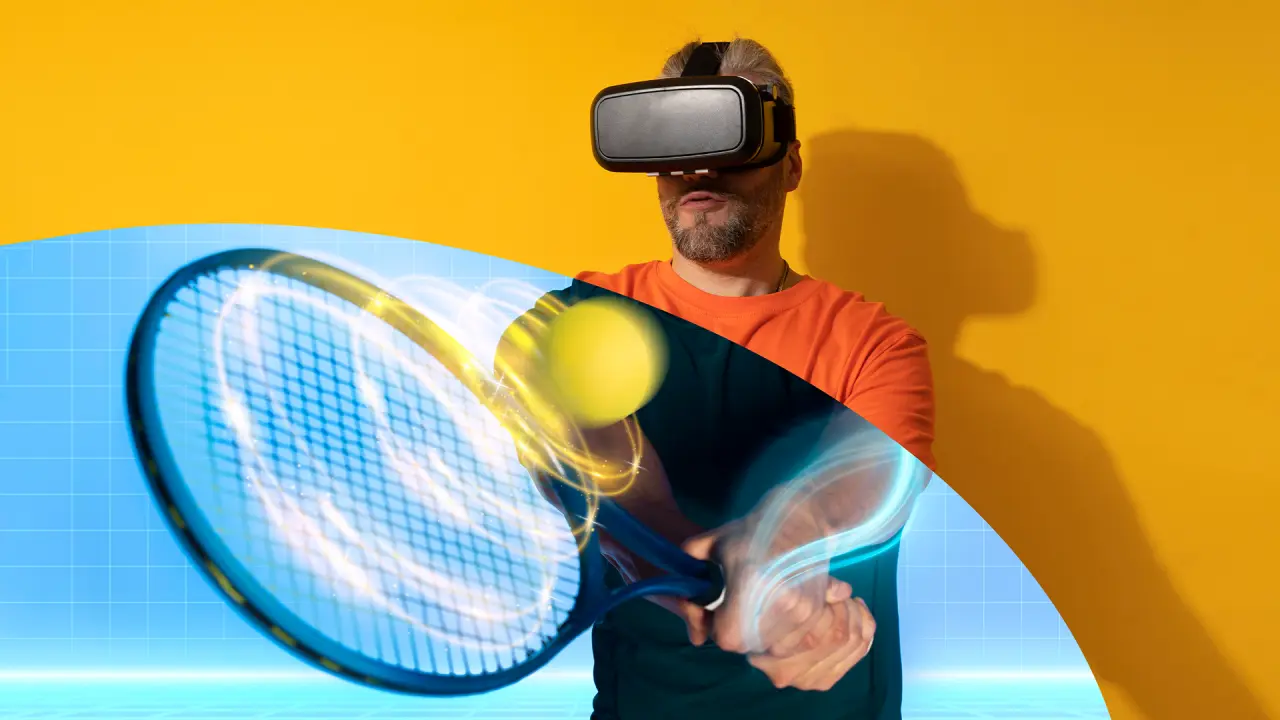
Watch a Saturday morning 5K and count the wrists. Plenty of them have something strapped on that buzzes. A decade ago that would have looked odd. Now it’s just how people run.
The gadgets have gotten good, and some of them genuinely help. Others mostly produce charts. This guide sorts out which is which, so you spend money where it counts. If you like to price-check before buying anything, DealstoPR is a handy place to start.
The Watch on Your Wrist
Sensors and wearables track heart rate, speed, distance, and body movement. Coaches read that data to find what an athlete does well and where the gaps are, and athletes use it to change training instead of guessing. Yellowbrick’s overview of technology in sports walks through this tracking side, plus video and gear, if you want the big picture.
Sleep and recovery numbers matter more than most people expect. Say a runner’s resting heart rate creeps up for a week while her pace slows. That’s a signal to back off, not push harder. Without the data, she’d probably just feel guilty.
My advice: pick one number and ignore the rest for a month. Weekly distance or resting heart rate is plenty.
Your Phone Is a Coach’s Camera
Pro teams use high-speed cameras and software to slow a movement down and spot the flaw. You can borrow the idea for free. Prop your phone against a water bottle, film your squat or your golf swing, then watch it at half speed.
It’s a little humbling. The knee that caves in, the hip that drops, the arm that crosses the body. You can’t feel any of it from the inside, but the video shows it right away.
Gear Helps, Up to a Point
Swimming gives the best example. Suits made from water-repelling fabric cut drag enough to improve race times. Running shoes have also gotten better at cushioning, traction, and stability, which can lower injury risk.
But a $200 shoe won’t fix a runner who jumps from 10 miles a week to 25. Fit and sensible training beat fancy features nearly every time. Try before you buy, or at least learn the return policy first.
Where Injuries and Recovery Fit In
Motion analysis software can spot small imbalances in how someone walks or runs, the kind that sometimes lead to knee or hip problems later. Catch one early and you have time to fix it.
Recovery tech runs from imaging to cryotherapy, laser therapy, and wearables used in rehab. Some programs even use virtual reality to make exercises less boring, which can help people stick with them. Easy.bi’s article on technology in sports and fitness gets into how data, AI, and rehab tools connect.
Still, apps flag patterns. They don’t diagnose. If something hurts for more than a few days, call a doctor or physical therapist.
AI Is Useful, but Treat It Like a Suggestion
Some tools now analyze training data and adjust your plan when you’re worn out. Others study your biomechanics and suggest technique changes. For coaches, automating scheduling and tracking frees up time to actually coach.
I’d treat the output like advice from a smart friend who has never met you. Helpful, not binding. Check what data the app collects and who can see it, too.
Technology also opens sports to more people. Adaptive and assistive equipment lets people with disabilities train and compete in ways that weren’t practical before.
Fair Calls, Mostly
Instant replay and Video Assistant Referee systems let officials review goals, fouls, and offside calls. Fewer bad calls slip through. Fans still argue anyway, so some things never change.
The Catch
Pro teams have labs and analysts. The rest of us have a phone and a budget, and that’s fine.
Cheaper trackers vary in accuracy, so watch the trend line instead of the exact number. And if a device makes you anxious about every dip, take it off for a week.
A Starter Setup That Costs Very Little
If I were starting from zero, I’d use the step counter already on my phone, film one workout a week, and write down how I slept. That’s it.
On Sunday, look at the week. Did the hard days follow good sleep? Did your form fall apart late in a session? Those two questions teach you more than any dashboard.
Buy a tracker only when you hit a question the free tools can’t answer.
Buying Smart
Start with the problem. Want to run farther? A basic tracker. Cleaner form? Your phone. Better recovery? Log your bedtime for two weeks.
When you do buy, compare a few sellers and read the shipping and return terms. You can browse the stores on DealstoPR to see which retailers are worth checking. Right before checkout, look at the current deals, and read the terms, because offers change.
Bottom Line
Technology gives you better information. The training still has to happen. Pick one tool that solves one real problem, use it for a month, then decide whether you need another. For more planning ideas, the DealstoPR blog is worth checking now and then.
Frequently Asked Questions
1. How does technology improve sports performance?
It tracks metrics like heart rate and speed, shows technique flaws through video, improves gear, and helps athletes train smarter and recover faster.
2. What is the most useful sports tech for beginners?
A basic fitness tracker and your phone’s camera. Track one or two numbers, like heart rate or weekly distance, and film your form to spot easy fixes.
3. Can technology help prevent sports injuries?
It can help. Motion analysis may flag movement imbalances early, and training data can show overload. It can’t diagnose pain, so see a professional.
4. Are fitness trackers accurate?
Accuracy varies by device and metric. Treat the numbers as trends over time, not exact lab results, and see a professional for medical concerns.
5. Does expensive gear make you a better athlete?
Not by itself. Good gear can improve comfort and efficiency, but technique, consistent training, and recovery matter more. Fit matters most.



Your email address will not be published.