The Importance of Mental Health in Sports
Picture a high school junior who misses a free throw at the buzzer. The crowd groans. A teammate says, “Shake it off.” Coach says, “Walk it out.” Nobody asks how she’s feeling, and she doesn’t offer.
That’s a made-up scene, but plenty of athletes will recognize it. Sports have always trained bodies. They’ve been slower to look after minds. This guide covers why that’s changing, what to watch for, and what coaches, parents, and athletes can do. If you’re buying gear for a young athlete along the way, DealstoPR is a handy place to compare prices.
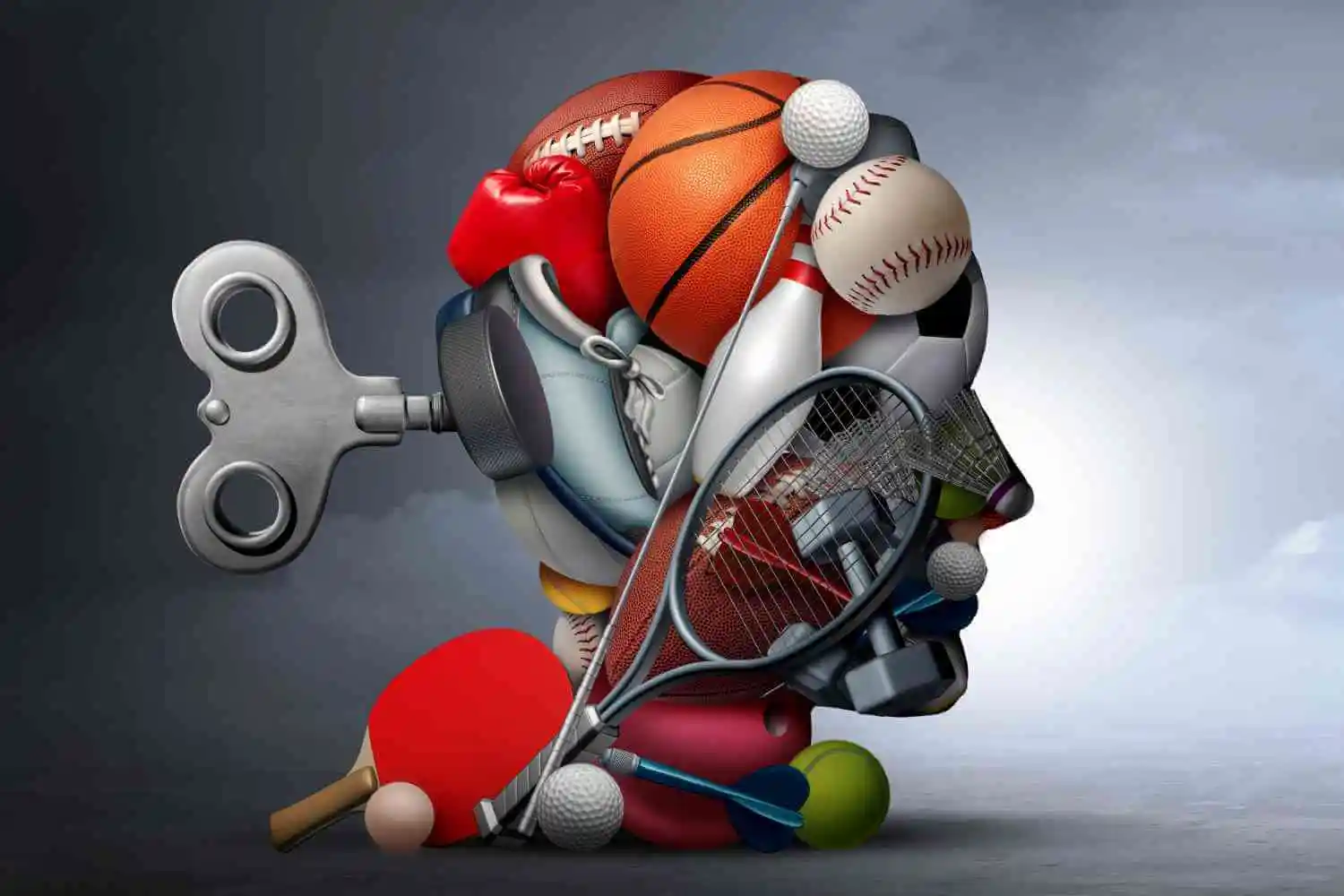
The Mind Is Part of the Game
Every sport has a mental side. Mass General Brigham’s article on mental health in athletes puts it plainly: it covers how athletes prepare, stay focused, stay motivated, and handle hard emotions in training and competition.
Sports can also protect mental health. Regular movement and a team to belong to both help. But the same risk factors that affect anyone, like family history, isolation, or heavy life stress, apply to athletes too.
Being fit doesn’t make you immune.
What Makes Sports Hard on the Mind
Several things stack up. Competition schedules and travel eat time. High stakes can bring fear of failure or worry about letting people down. Student-athletes juggle school on top of it.
Injury is a big one. An athlete who can’t play may feel anxious about getting hurt again, lose their sense of identity, or feel cut off from the team. Retirement can hit the same way.
Individual sports and ones that focus on appearance, like gymnastics or wrestling, can add body-image pressure. That doesn’t mean those sports are bad. It means adults around those athletes should pay closer attention.
Athletes Are Great at Hiding It
Here’s the tricky part. Athletes learn to push through discomfort, and that skill can mask emotional struggles too.
So don’t wait for someone to say something. Watch for changes from that person’s normal: sleep, appetite, mood, energy, and how they act around teammates. Pulling away from friends is worth noticing.
Noticing isn’t diagnosing. You’re not trying to label anybody. You’re just opening a door.
“Tough” Doesn’t Mean Silent
Some athletes still worry that admitting anxiety or stress means they’re weak. The psychologist quoted by Mass General Brigham says the opposite is true: acknowledging a concern and seeking help are signs of strength.
I’d go a step further. Ignoring a problem and hoping it disappears isn’t toughness. It’s just delay.
What Coaches and Parents Can Do
Coaches set the tone. Grow Wellness Group’s piece on sports mental wellness argues that coaches should treat mental health like physical health: create a safe space, make asking for help normal, and point athletes toward qualified professionals.
In practice, that looks like small things. Ask how a player is doing before you ask about the stats. Keep expectations realistic, especially with kids. Schedule rest. Build team events where teammates get to know each other outside of games.
Parents can do the same at home. Ask about the ride home, not just the score.
Three Skills Worth Practicing
Mental skills work like physical ones. They get better with practice. Three common ones are:
Mindfulness means paying attention to the present without judging it, through breathing or body scans, so you stay calm under pressure.
Visualization means picturing the performance in detail, including how you’d recover from a mistake.
Self-talk is the running commentary in your head. Swapping “I’m such an idiot” for “I’ll learn from that and do better next time” sounds small, but it changes how fast you bounce back.
None of these replaces professional care. They’re tools for everyday pressure.
When to Get Help
If an athlete seems stuck, overwhelmed, or very different from usual for more than a short time, talk to a doctor, school counselor, or licensed mental health professional. A sports psychologist can help too, if one is available.
If you or someone you know is in crisis in the US, call or text 988, the Suicide & Crisis Lifeline. This article is general information, not medical advice.
Support Doesn’t Have to Cost a Lot
Mental health isn’t something you buy, but a few practical things help: a decent pillow for better sleep, headphones for a pre-game routine, or a simple notebook for tracking how practices feel.
If you’re shopping for any of it, compare a few sellers and check shipping and return terms first. You can browse the stores on DealstoPR to see which retailers are worth checking, then look at the current deals before you pay. Offers change, so read the terms first.
The Takeaway
Mental health belongs in sports, right next to conditioning and technique. Athletes perform better, and feel better, when the mind gets the same care as the body.
Start small: check in, listen, and make it normal to talk. For more planning ideas, the DealstoPR blog is worth checking now and then.
Frequently Asked Questions
1. Why is mental health important in sports?
It affects focus, confidence, motivation, and how athletes handle pressure, setbacks, and injury. Caring for it supports both well-being and performance.
2. What are common mental health challenges for athletes?
Performance pressure, anxiety, injury-related stress, balancing school or work, and body image concerns, especially in sports that focus on appearance or weight.
3. What are signs an athlete may be struggling?
Changes from their normal, like shifts in sleep or eating, withdrawing from teammates, losing interest, or a sudden drop in mood or performance. Check in gently.
4. How can coaches support athlete mental health?
Check in regularly, avoid unrealistic pressure, normalize asking for help, and connect athletes with licensed professionals or a sports psychologist.
5. Does asking for help hurt an athlete’s career?
It shouldn’t. Mental health professionals describe seeking help as a sign of strength, and support can improve coping and performance. Start with a doctor or counselor.
6. What mental skills can athletes practice?
Mindfulness, visualization, and positive self-talk are common skills. Practiced regularly, they can help with focus, confidence, and handling setbacks.
7. Where can I get help right now in the US?
Call or text 988 for the Suicide & Crisis Lifeline if you or someone you know is in crisis. For non-urgent concerns, contact a doctor or licensed counselor.


Your email address will not be published.